6 Humorous Lifestyle Images That Prove Your Life Is Secretly a Comedy
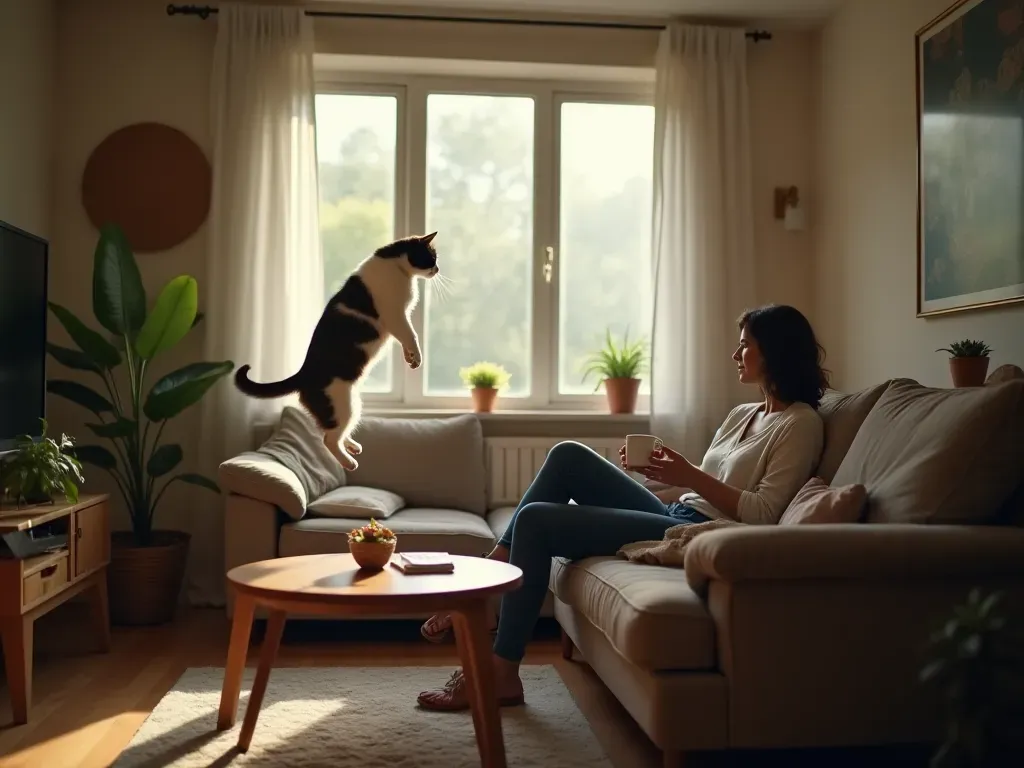
The Visual Proof That You Are Not Alone in Your Chaos
I caught myself staring at a photo of my own spilled coffee this morning. A perfect brown star, stamped on the white tablecloth. I didn't clean it up right away. I took a picture instead and sent it to three friends with no caption at all.
Four minutes later, all three had replied. One said it looked like a map to nowhere. Another claimed I was trying to start an art movement. The third just sent a laughing emoji that felt genuinely relieved.
That moment revealed something important. We don't share these images because we're sad about the mess. We share them to confirm that life is weird for everyone else too. It's a visual handshake.
Most people think they need to be polished to be interesting. But the data from social platforms suggests otherwise. Content showing minor failures often gets more engagement than perfect setups.
There's a reason for this. Perfection is isolating. It creates distance. Messiness invites you in. When someone shows their wrinkled shirt or their tangled headphones, they're saying it's safe to be human here.
This creates a specific type of humor that's very hard to fake. It feels authentic because it costs nothing to perform. You just have to admit the truth and frame it slightly differently.
We're living in a moment where curated feeds feel exhausting. The alternative is the raw feed of reality. And surprisingly, that raw feed is often funnier than any scripted skit ever written.
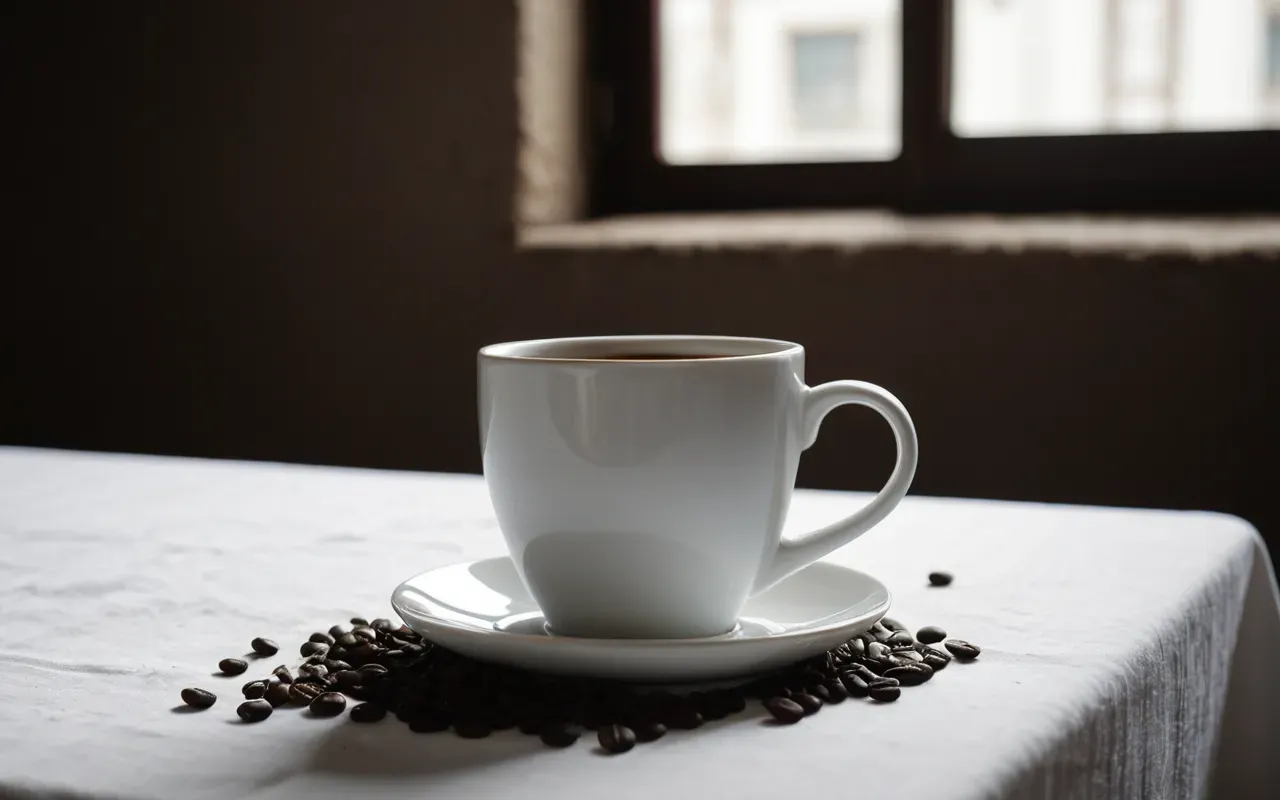
Why The Sloppy Sock Photo Outperforms Perfect Aesthetics
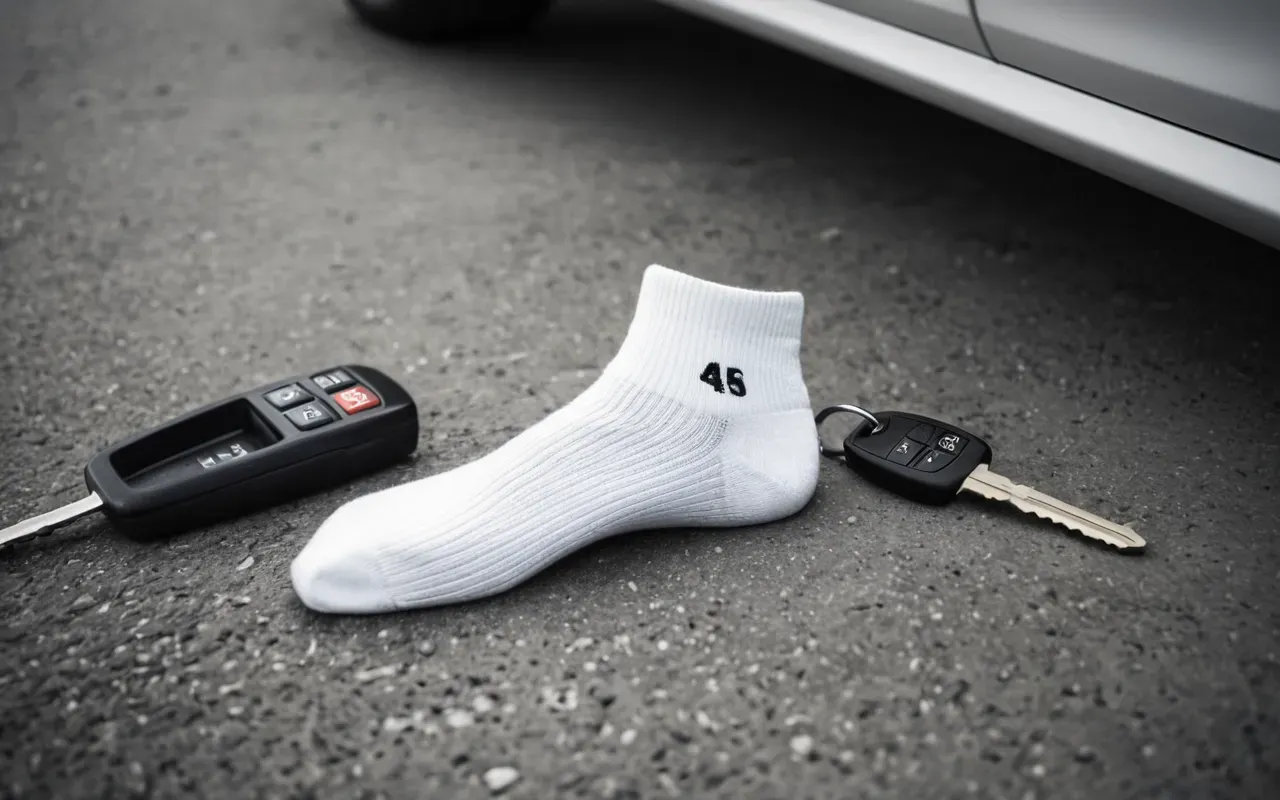
Consider the image of a single sock left on a hotel carpet. Not glamorous. There's no golden hour lighting or expensive furniture in frame. Yet it tells a complete story.
The viewer knows the person was tired. They know they rushed. They know the laundry situation is currently dire. The image acts as a shortcut for empathy and amusement at the same time.
I've seen this specific photo trend spike every time a major holiday travel season ends. It's the universal symbol of exhaustion disguised as a casual snapshot.
Compared to a polished shot of the hotel room with made beds and folded towels, the sock photo resonates deeper. It admits that behind every beautiful vacation is someone struggling to fold sheets.
This dynamic changes how we view our own lives. We stop trying to hide the clutter because the clutter is where the connection happens.
If you're curious about why our brains react so positively to these minor flaws, it might help to look at why your brain actually craves bad puns more than you admit. The mechanism is similar. It rewards the unexpected twist.
The surprise of seeing a messy reality in a world that promises order creates a small dopamine hit. It's cheap joy, and we're all addicted to it.
The Kitchen Counter That Tells The Funniest Story You Have Ever Heard
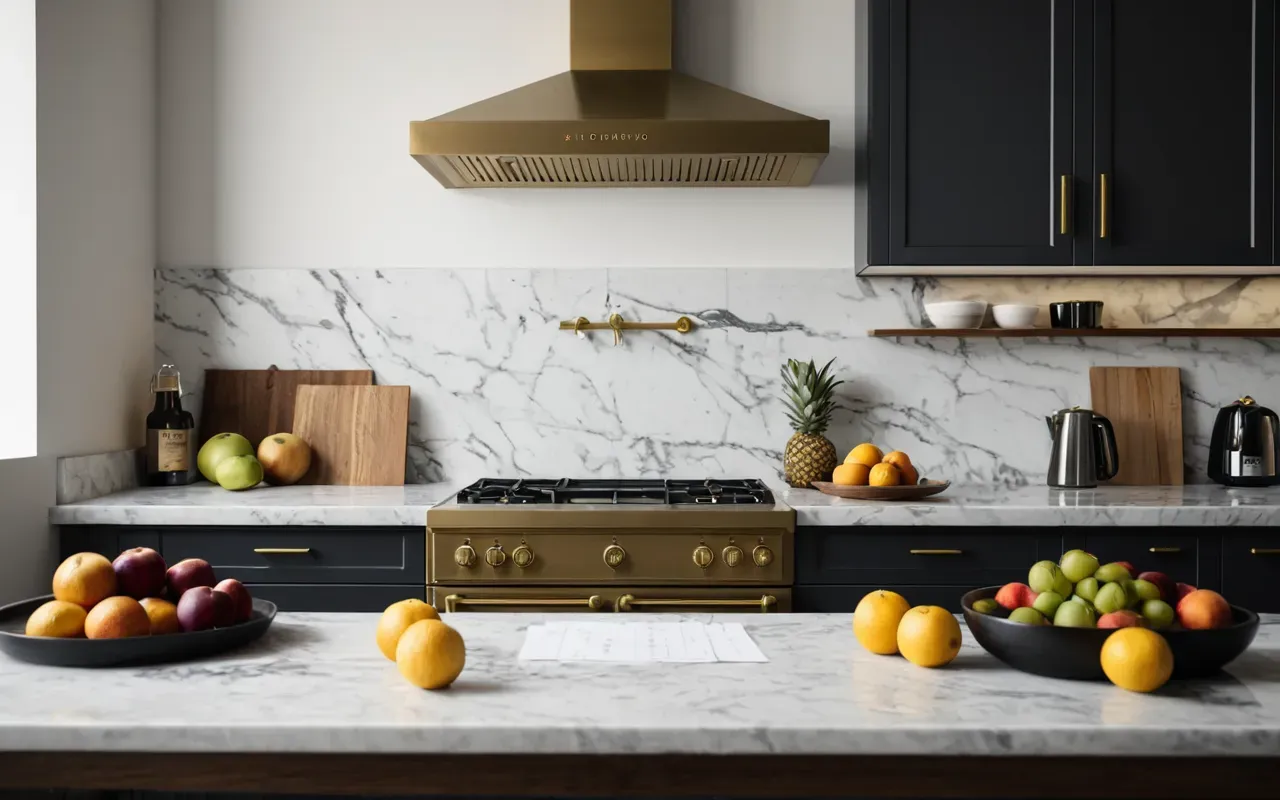
I recently visited a friend who has a beautiful modern kitchen. Marble counters. Brass taps. The kind of space you see in design magazines. But the counter was covered in half-eaten fruit and scattered papers.
She laughed when I pointed it out. She said she'd been working on a project for six hours and forgot to eat lunch again. The image of that cluttered counter was funnier than any joke.
It captured the essence of adult life. We build these perfect environments and then ignore them completely because we're too busy surviving our own schedules.
This is a common theme in lifestyle humor. The gap between expectation and reality is where the comedy lives.
We expect to be organized. We expect to eat on time. We keep failing at both. The photo of the messy counter validates that failure without judging it.
There's a specific angle to this. It's not about making fun of the person who forgot to clean. It's about celebrating the fact that they were busy living.
When we frame these images with humor, they become badges of honor. They say I was so focused on my life that I forgot the rules.
How A Blurred Photo Becomes The Best Evidence Of Your Busy Life
Blur is usually considered a mistake in photography. It means the camera moved too fast or the subject wasn't still enough.
But in lifestyle humor, blur is a feature. It shows movement. It shows urgency. A sharp photo of a crowded train station feels staged.
A blurred shot of the same scene tells you that people are actually running late. It captures the energy of a city in motion.
I once took a blurred photo while trying to catch the last bus. The image was mostly streaks of light and motion.
My friend said it looked like a painting by someone who had never seen a calm day. That comment stuck with me.
The humor comes from the exaggeration of how chaotic we feel. The blur externalizes that internal feeling of being rushed.
It's a visual metaphor for stress. And because it's funny, the stress feels manageable.
If you want to see how this works in social settings, check out the drive-thru horror stories that prove we are all secretly weird. The visual of a confused customer fits perfectly here.
The Mirror Selfie That Accidentally Exposed Your True Personality
Mirror selfies are popular for a reason. They allow us to see ourselves through the eyes of others.
But when you add a funny element like a messy bed in the background or a weird facial expression, it changes everything.
I saw a post where someone took a confident pose in front of their bedroom mirror. Behind them was a mountain of laundry and an open pizza box.
The caption said I am ready for anything. The comments agreed but added that the pizza box suggested otherwise.
This juxtaposition is key. It highlights the difference between how we want to be seen and how we actually are.
We all maintain this gap. The image acknowledges it without shame.

It creates a safe space for others to be imperfect too. It lowers the barrier to entry in social interactions.
We laugh because we recognize ourselves. The mirror shows us our flaws and frames them as entertainment.
Why The Unmatched Socks Image Is A Masterpiece Of Modern Life
There's a specific type of humor found in laundry. Quiet and domestic, but universally understood.
A photo of two different socks on a washing machine lid is instantly relatable.
It represents the small losses of daily life. The socks that vanished into the void.
We don't know where they go. We just accept it and move on.
This image captures the absurdity of adult responsibilities. We're expected to manage complex systems but we lose basic items.
It's a low-stakes failure that invites high-level laughter.
The Psychology Behind Laughing At Small Losses
Psychologists suggest that humor helps us cope with minor frustrations. It reframes the situation.
Instead of feeling angry about a lost sock, we feel amused by the mystery.
This shift in perspective is powerful. It turns a negative experience into a shared joke.
It reinforces social bonds because everyone has lost something they did not want to lose.
The Coffee Stain Pattern That Looks Like A Famous Painting
Sometimes the accident is so striking it looks intentional.
I saw a post where a coffee ring on a table looked exactly like a famous abstract painting.
The comment section spent hours debating which artist inspired the stain.
Our brains are wired to find meaning in random patterns. There's a word for it: apophenia.
And in lifestyle humor, that's the whole game — we end up finding beauty in the mess.
It pushes back on the assumption that order always beats chaos.
How To Use These Images To Boost Your Mood And Connect With Others
You don't need to be a professional photographer to catch these moments.
Just watch for the small details that slip past you every day.
A misplaced key. A wrinkled shirt. Something forgotten on the counter.
Snap a photo of it with a neutral face, no caption.
Let the image speak for itself. The humor will emerge naturally from recognition.
Share it with someone who gets the joke.
Sharing becomes its own kind of communication — one that words can't quite capture.
Frequently Asked Questions
Why do humorous lifestyle images make people feel less alone?
Humorous lifestyle images validate shared human experiences. When you see a photo of a common mistake like a spilled drink or lost item, it confirms that everyone else struggles with the same daily challenges. This recognition reduces feelings of isolation and creates a sense of community through mutual understanding.
What is the best way to take photos for lifestyle humor?
Focus on candid moments rather than staged setups. Capture the reality of your day, such as a messy desk or a hurried exit. Keep captions short or leave them out entirely to let the visual irony speak for itself. Authenticity is key because polished images often lack the relatable charm that drives engagement and laughter.
Can sharing funny mistakes hurt my professional image?
Generally, no. Most workplaces appreciate employees who can laugh at minor slip-ups without becoming defensive. It shows confidence and emotional intelligence. However, avoid sharing content that involves safety hazards or confidential information. The goal is to humanize your work style, not to reveal negligence.