The Surprising Power of Cultural Nostalgia in How We Laugh at Everyday Mistakes
Why Cultural Nostalgia Is More Than Just Retro
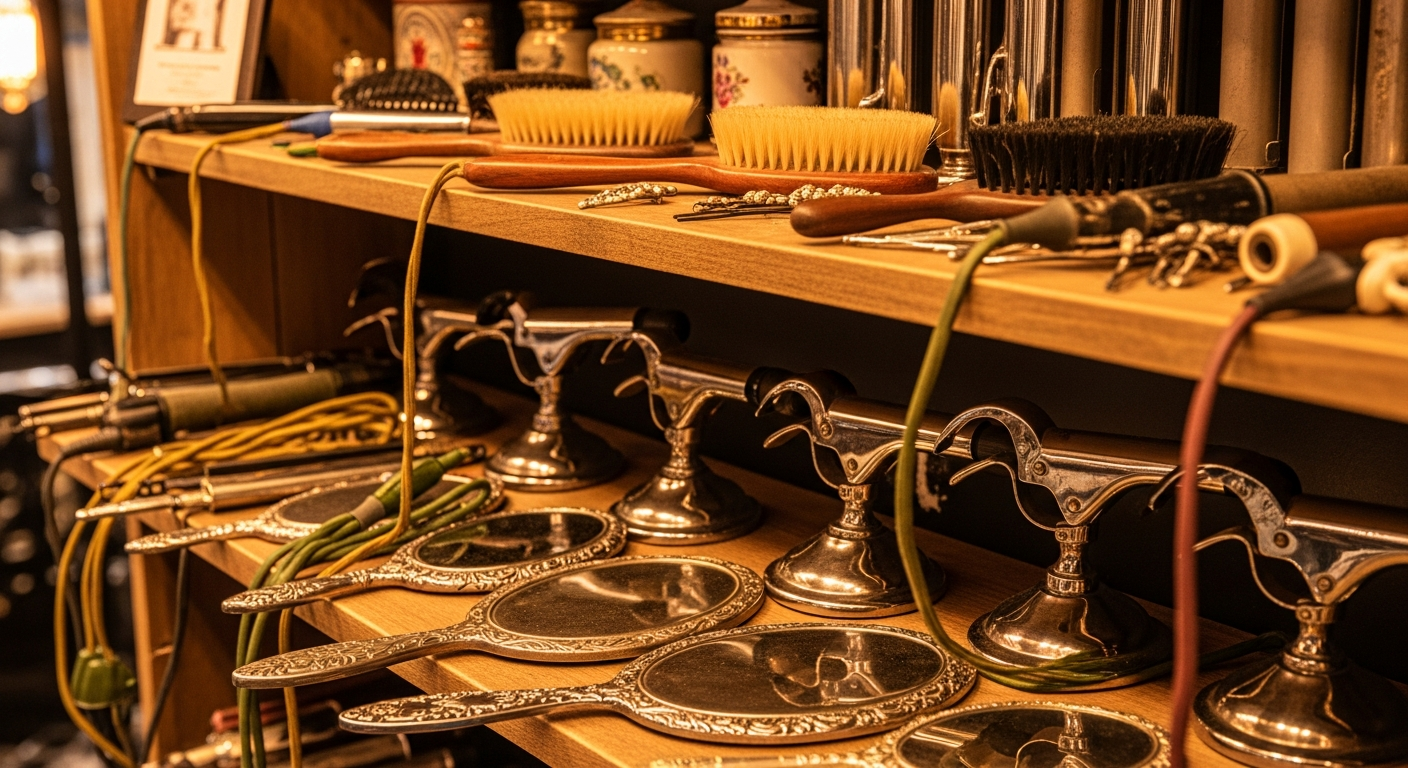
Have you ever noticed how certain vintage objects or quirky roadside attractions suddenly make you laugh or spark a sudden sense of warmth? This reaction is no coincidence. Cultural nostalgia, especially tied to relatively recent past inventions like the classic Flowbee or retro hairdryers found in Joshua Tree's 'Beauty Bubble Salon & Museum,' taps into a collective memory that we almost don’t realize shapes our sense of humor. These items serve as physical reminders of a bygone era, and as viewers or visitors, we are often surprised at how much joy or amusement they evoke. But beneath that lighthearted surface lies an underreported phenomenon: nostalgia acts as a bridge that connects us to our shared history, making comedy out of the mundane, the kitschy, or even the slightly absurd. Such artifacts serve as conversation starters, offering us a glimpse into a time where innovation was swirling and, perhaps unintentionally, creating some of the most amusing household relics that now seem laughably outdated, yet endearing.
The Antidote to Modern Stress Lies in Quirky Collectibles
In an era where stress and digital fatigue dominate, finding humor often times comes from the most unexpected sources. Think of roadside attractions like Joshua Tree’s 'Beauty Bubble Salon & Museum' or similar quirky exhibits: they don't just entertain—they genuinely serve as a form of lighthearted resistance against our relentless pace of modern life. These vintage collections provide a humorous lens through which we can reframe our daily struggles, reminding us that life’s mishaps are part of a charming human tapestry. More often than not, these relics also remind us of how technology and culture form a complex web of progress and eccentricity, often accented with unintended comedy. When people discover a 1940s perm machine or a vintage Dippity-Do gel, they can’t help but chuckle or even feel a pang of nostalgia, realizing that humor can be deeply rooted in shared experience, regardless of time or place. These collections help us embrace the unpredictability of life, offering a collective release that encourages smiling at the small absurdities of our routines.
Who Truly Benefits From Nostalgic Humor and Why It Matters
At first glance, these museums and collections might seem like just kitschy attractions, but their deeper significance extends into the realm of mental health and social cohesion. When individuals engage with nostalgic artifacts—like the vintage hairstyling tools enthusiast Jeff Hafler curates—they rediscover a shared language of humor that can transcend personal or generational gaps. This shared humor fosters a sense of communal belonging, especially relevant in today's fragmented social landscape. Moreover, these relics act as conversation catalysts, forcing us to reflect on how our ancestors faced challenges and celebrated innovation, often with a sense of humor. Recent studies have increasingly supported that humor rooted in shared cultural artifacts reduces stress, boosts morale, and strengthens social bonds. It’s no longer just about the amusement; it’s about recognizing that such cultural moments play a crucial role in maintaining our psychological well-being, reminding us that the humor of everyday life often springs from a collective remembrance of our quirky, imperfect pasts.

This Is More Than Nostalgia It’s a Cultural Reset for Humor
What might seem like a simple visit to a roadside museum or collection of vintage hairstyling tools actually signifies a broader cultural shift: the recognition that humor rooted in nostalgia is a powerful tool for resilience. As society grapples with rapid technological change and cultural fatigue, these relics serve as affirmations that our shared history—no matter how quirky—is inherently valuable. By embracing the humor of our collective past, we’re essentially performing a cultural reset, shifting focus from the often overwhelming present to the lighter, more playful side of human ingenuity. These collections—including the stories, objects, and memories they preserve—remind us that our ancestors’ creative solutions, appreciated in their own time and now humorously distant, are vital to understanding how we cope and find joy today. The true winners in this dynamic are the communities and individuals who discover amusement and solidarity in relics that serve as cultural anchors. They help us see humor not just as entertainment but as a vital part of our collective identity and resilience.