Daily Life Practices that Enhance Well-Being and Productivity

The Importance of Establishing Consistent Daily Routines
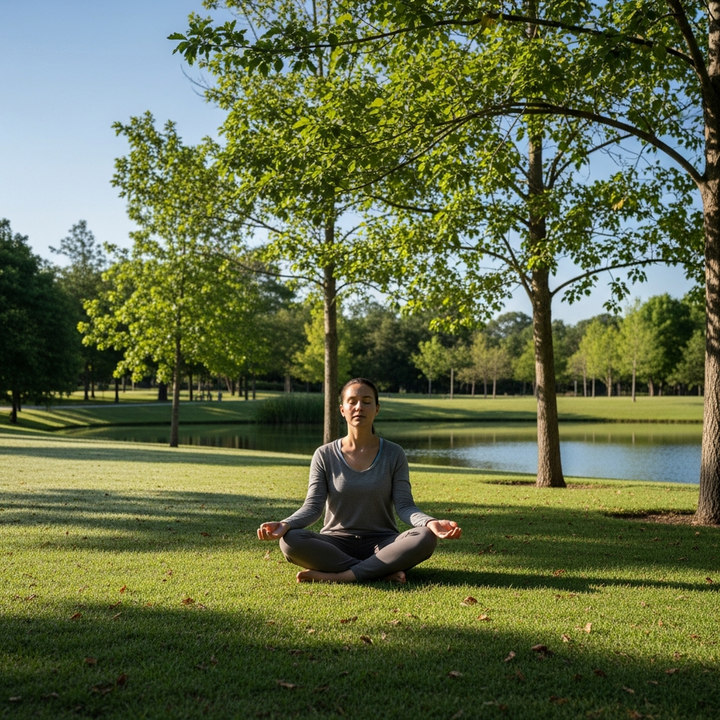
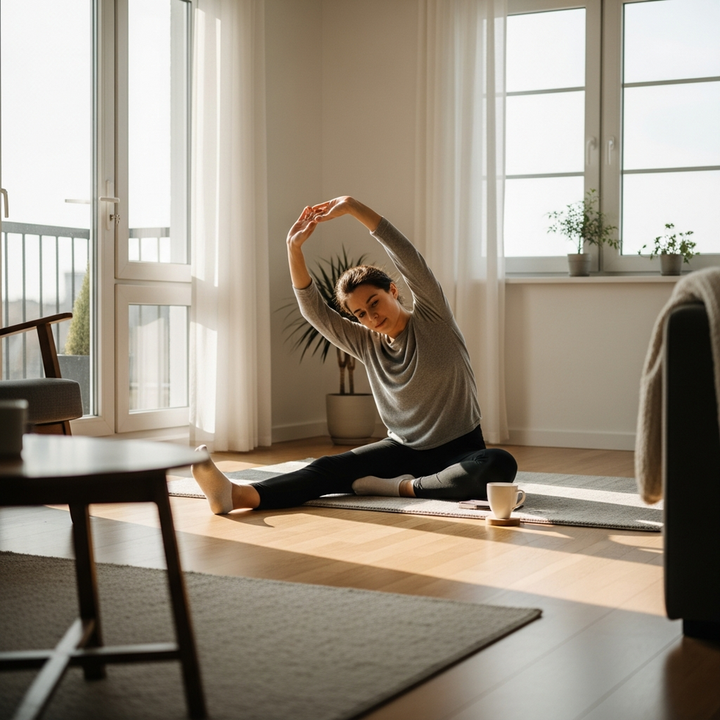
Starting each day with steady routines helps keep thoughts clear, feelings balanced, and life running smoothly. By building routines that bring structure and predictability, mental effort decreases - freeing time for what matters most. Beginning with a nourishing meal, short meditation, or gentle movement kicks the morning into a constructive rhythm, shaping how hours unfold. One size never fits all when it comes to daily habits - what works for one might bore another. Some begin by sitting quietly, letting breath settle into their thoughts. Others find energy only after stepping into fresh air, feet tapping along a street corner. Routine gains strength not through rigidity but rhythm - mapping out time saves mental effort otherwise lost in small choices. Energy then flows toward tasks that actually demand it. Still, setting regular routines helps improve sleep quality along with steady rise times in the morning - key parts of staying physically well. When kids wake up at similar hours every day, their bodies adjust without strict rules. Using visual cues like sticky notes or phone alerts builds consistency slowly. What matters most? Sticking to it, even if just a little bit more each week adds up in ways nobody expects. Over months, these quiet habits shape days that feel complete without grand gestures.

Integrating Physical Activity into Daily Life for Better Health
Moving your body each day helps quite a bit when it comes to feeling better overall. It isn’t about going to the gym all the time - small actions like strolling to job, riding a bike, climbing stairs, or joining weekend games make a difference. Research keeps showing that moderate movement kicks in natural feel-good chemicals, lifting mood while softening anxiety or sadness. Moving regularly helps keep blood flow steady, builds stronger muscle tissue, while improving range of motion - each part adds up to everyday living feeling better. What matters most? Sticking to it steadily, while picking things that bring real pleasure - this helps follow through more easily, turning movement into something almost enjoyable. People with packed schedules might find brief routines from digital tools work well; think **Peloton** or **Nike Training Club**, available anytime through screens. Even small moves matter, because regular motion builds health slowly across days. Over months, steady motion shapes well-being in quiet ways.
Nurturing Mental Health Through Mindfulness and Reflection
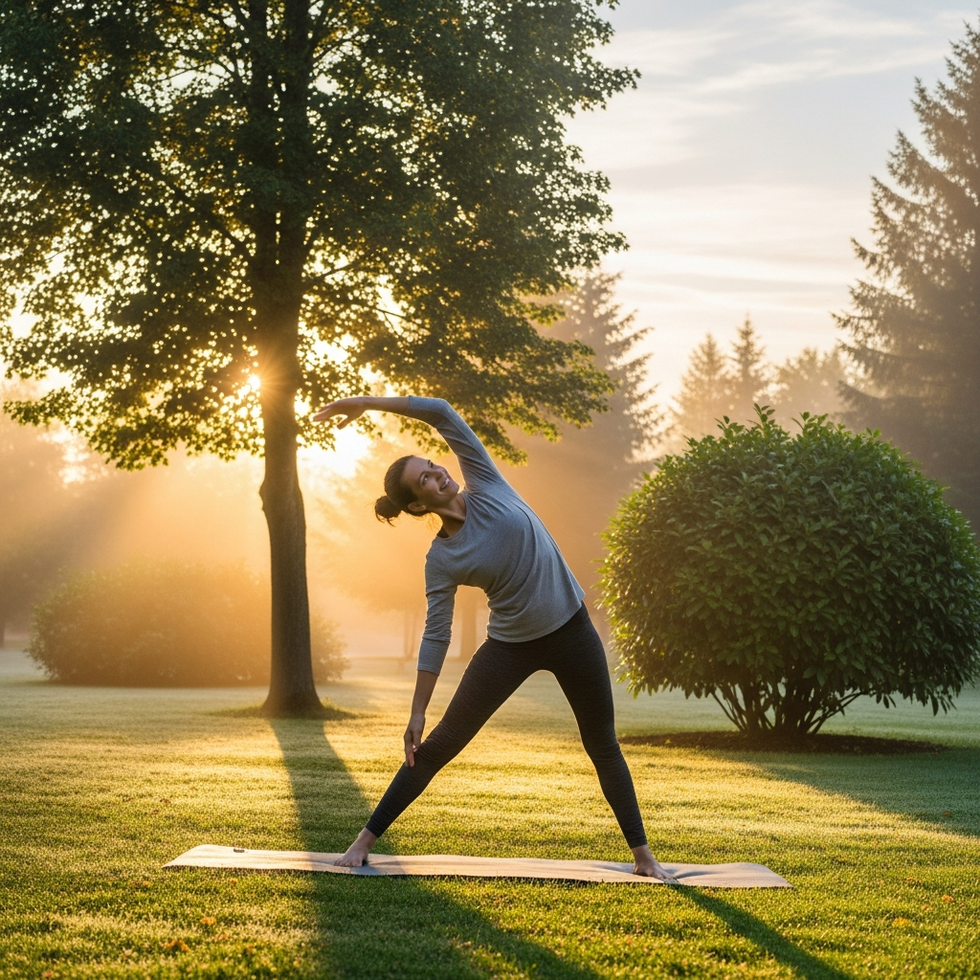
Starting small helps build better days when thinking about feelings matters most. Instead of rushing through tasks, moments spent quiet or writing thoughts down shift how tension feels. Today’s constant noise and endless updates push people toward quieter breaks just to notice themselves. When riding the train, a quiet breath can slowly shift focus. Right before sleep, pausing helps sort through thoughts. Writing things down brings hidden feelings into words. Looking back at tries, wins, and stumbles adds depth. Doing these often clears space inside. Heat builds if attention stays glued. When life gets tough, talking things through with a therapist or group can really help. Emotional struggles often respond better when someone listens without judgment. Health isn’t just your body - it includes how you feel inside too. Taking moments each day to notice thoughts, breaths, or sensations tends to clear the mind and boost energy.

Practical Tips to Maintain Motivation and Stay Consistent
Staying motivated often feels tough, even though it helps a lot when reaching goals. Instead of pushing hard all the time, break things down into simple steps - this keeps efforts steady. Watching how far you’ve come each week gives a quiet kind of strength. When progress shows up, it tends to spark more drive than loud promises ever did. People close by might become useful allies if they know what you’re working toward. Talking through challenges with someone who understands can make the path easier without fixing every stumble. Shifting things up now and then helps avoid routine boredom while spotting what truly lifts your mood. Take workouts - mixing styles keeps things lively. New mindfulness routines also bring fresh interest. When uncertainty hits, recalling why these practices matter - like feeling better, happier days, or expanding who you are - tends to strengthen drive. When goals are reached, tiny pleasures or time spent on hobbies often follow, nudging effort to stick. Facing hiccups without frustration matters just as much as progress itself - hiccups pop up, yet they feed growth more than blame does. Keeping intent alive inside helps momentum roll forward, while treating missteps like weather instead of mistakes makes strength out of small wins.