Embracing Daily Life Practices to Enhance Well-Being and Balance
Cultivating Mindful Routines for a Healthier Daily Life
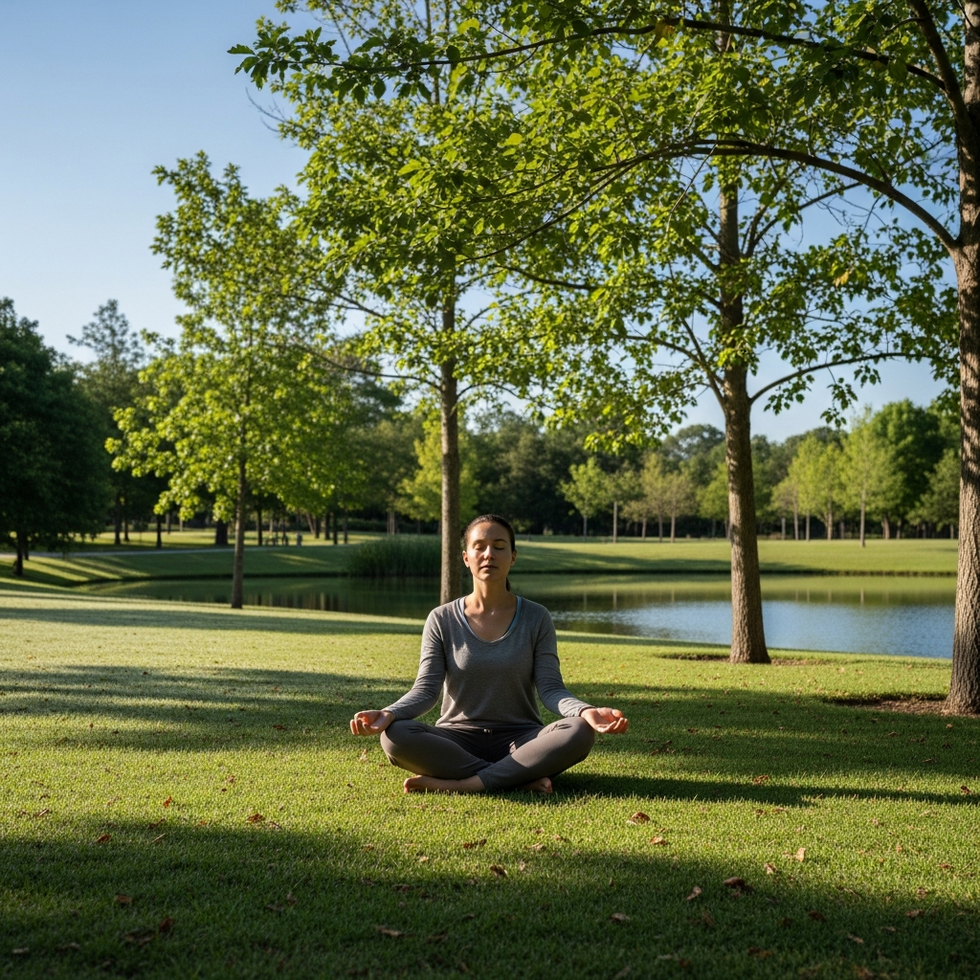
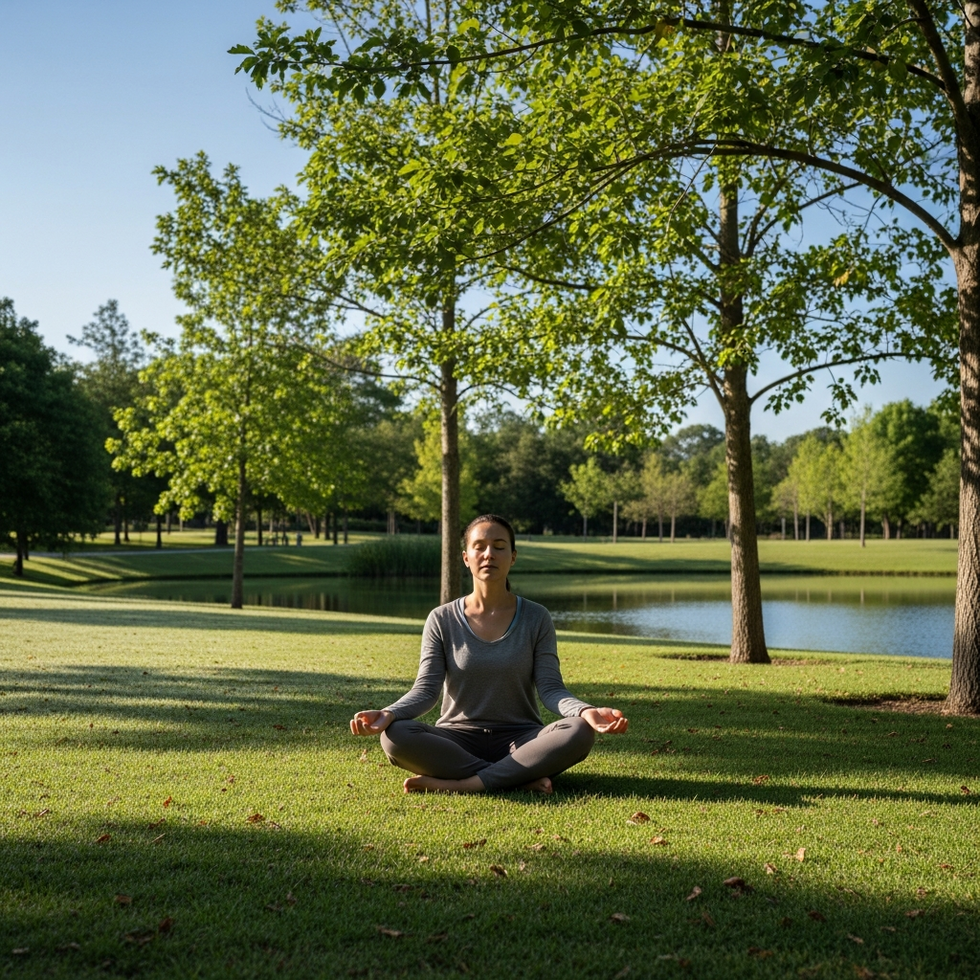
When everything feels rushed, taking short breaks helps keep thoughts clear and calm intact. Instead of rushing through tasks, noticing each breath or body sensation shifts how time feels. A quiet minute each morning or evening might become the steady place inside chaos. Without reaching for apps or guides, simply pausing between duties builds quiet strength. Take mornings. Just five quiet minutes of breathing slowly might shift how the rest unfolds. Paying attention while moving - like stepping outside or chewing food slowly - changes what feels possible. People now reach for tools like Calm or Headspace, finding ways through daily motion to stay present. With studies showing mental strength grows with regular practice, small shifts add up without loud announcements. What matters most is staying steady. Making mindfulness part of everyday life builds inner strength - a base that holds up when things go off track.
The Role of Nutritious Eating and Hydration in Daily Well-Being
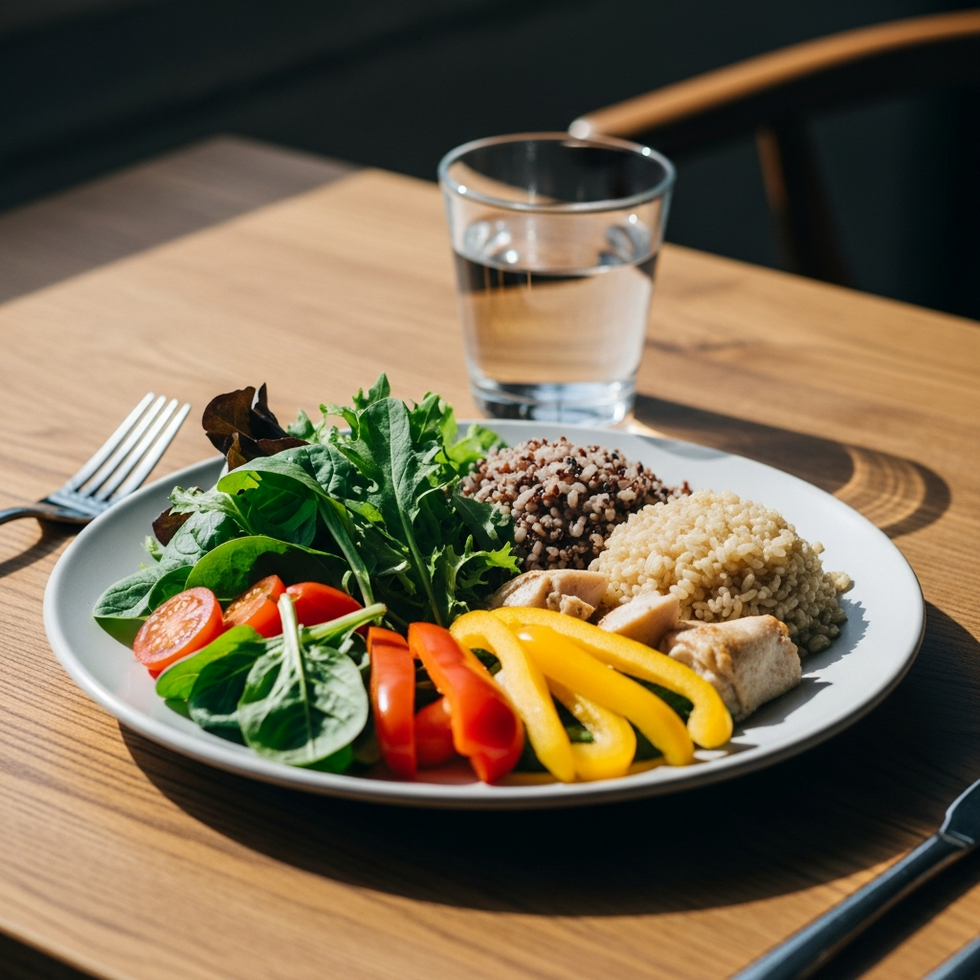
Focusing on food and water matters most when building a steady routine for daily living. What goes into the body shapes how it runs - energy, focus, recovery all tie back to eating wisely. Fruits, colorful veggies, unprocessed grains, and clean sources of protein play key roles without needing to be perfect. Staying fueled means mixing things up, not following strict rules, just finding what works over time. Still, having enough water helps keep your mind sharp and your body moving well - some say have seven to ten glasses each day, even if that changes from person to person. Using a refillable bottle and thinking ahead about meals might just make good choices feel easier, without the weight of last-minute decisions. Cutting back on too many packaged snacks or sweet things may help stay at a steady weight, while lowering chances of long-term health issues like diabetes or heart trouble. If you need help, talking with a nutrition expert might clear things up. Another option is checking solid websites such as MyPlate - they often offer tailored tips based on what you want to achieve in your health journey.
Incorporating Physical Activity into the Routine for Enhanced Longevity
Moving your body each day shapes how fully you live. A short walk, some time on a bike, even just stretching through yoga - these fit into hours already filled. Building in lifts or reps builds strength without notice. Heart function sharpens when motion becomes part of staying alive. Tension eases, sunlight feels brighter, legs wake up mid-morning after weeks idle. Systems beneath skin shift because rhythm returns after months sleeping. When life feels packed, just half an hour of mid-level movement daily - about twenty minutes - adds real benefit. Slotting it in around tasks, errands, or family duties matters; maybe a fast walk after breakfast, some dancing while a show plays, or short desk stretches during breaks at the office. Tools like pedometers or phone-based trackers help by nudging and tracking progress without fuss. What matters most isn’t pushing hard every now then, but showing up again and again - steady moves build something lasting, quietly shaping better health and energy across years, opening up wider ways to live fully.

The Importance of Rest and Quality Sleep for a Productive Lifestyle
When talking about making daily life better, one thing stands out - getting enough rest matters. Sleep helps the body repair itself, supports emotional well-being, yet also enables smooth daily operation. Without enough sleep over time, thinking skills may fade, the immune system could weaken, while dangers like high blood pressure or sadness grow more likely. Most people need between seven and nine hours of good sleep each night, according to those who study such things. A steady evening routine helps set the stage for better rest. Sticking to daily pitch-dark and morning hours, regardless of the day’s date, works well - even when Saturdays roll around. To get ready for bed, cutting off phone and tablet time makes a real difference. Rooms that are chilly and sealed from outside light tend to support deeper rest. Caffeine fades faster when it does not come near its due time near evening hours. Hefty dinners eaten too soon feel heavier on the stomach than small ones served earlier. Short breaks midday - half an hour or so - can refresh thinking when full nights don’t deliver enough rest. When sleep starts feeling off, noticing small changes early makes a big difference. Starting these routines now means mornings come easier, bringing more alertness than before. Simple shifts today often lead straight to better mornings ahead.