Five Simple Lifestyle Strategies Backed by Science to Enhance Longevity

Understanding the Foundations of Longevity and the Impact of Lifestyle Choices
In recent years, scientific research has increasingly focused on identifying the key factors that contribute to a longer, healthier life. While genetics certainly play a role, lifestyle choices are modifiable elements that can significantly influence lifespan. These include nutrition, physical activity, stress management, social connections, and sleep quality. The growing body of evidence suggests that adopting specific habits based on rigorous scientific studies can not only extend lifespan but also enhance the quality of years lived, reducing the risk of chronic diseases. This understanding offers hope and practical guidance for those seeking to improve their overall wellbeing. Moreover, it underscores the importance of a holistic approach that combines various health-promoting activities rather than relying on isolated interventions. As we navigate the complexities of aging, it becomes clear that small, consistent adjustments in daily routines can lead to meaningful improvements over time, making longevity an attainable goal for many.

The Role of Nutrition and Diet in Promoting a Longer Life
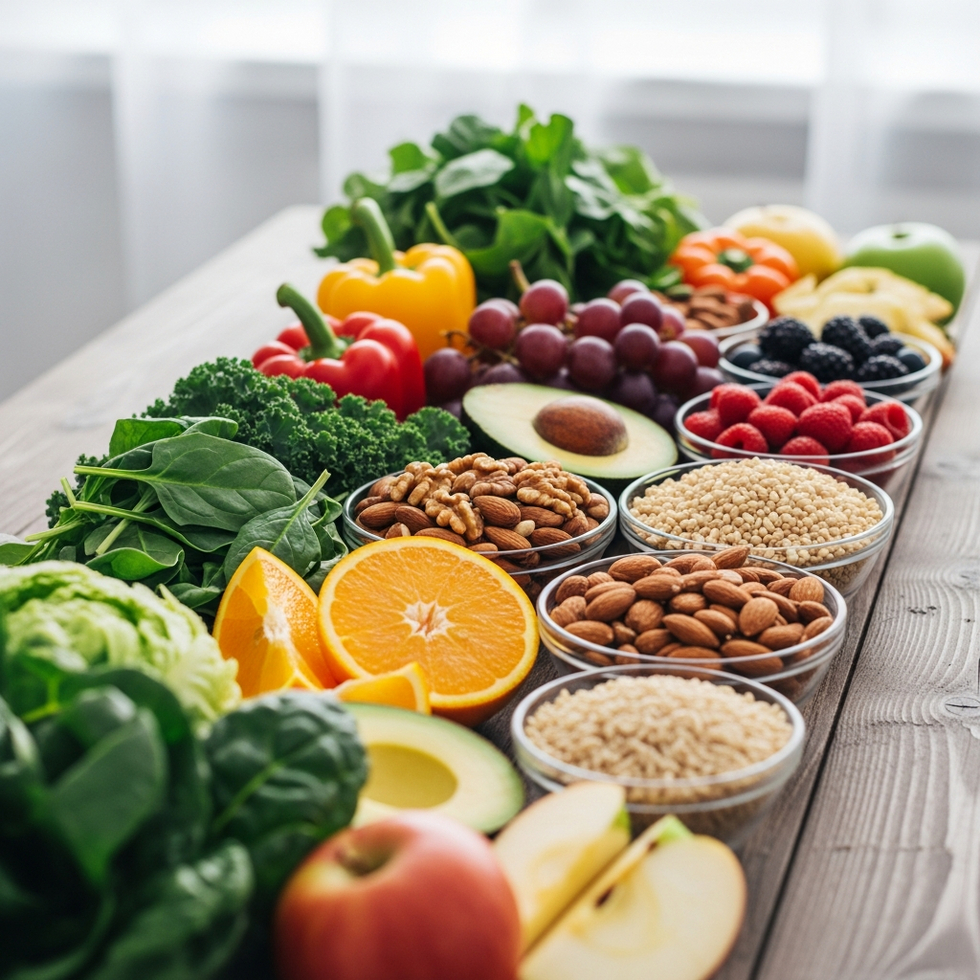
One of the most accessible and impactful ways to influence longevity is through proper nutrition. Scientific studies highlight the benefits of plant-based diets rich in fruits, vegetables, whole grains, nuts, and legumes. Such diets provide essential antioxidants, fiber, and healthy fats that combat inflammation and oxidative stress—key contributors to aging and chronic illnesses. Additionally, caloric moderation and intermittent fasting have gained recognition for their potential to improve metabolic health and promote longevity. Incorporating moderate consumption of healthy fats, such as omega-3 fatty acids found in fish or flaxseeds, can also support brain health and reduce inflammation. Potentially, these dietary adjustments can lower the risk of cardiovascular disease, diabetes, and neurodegeneration. To simplify meal planning, many turn to detailed guides or functional foods designed for longevity, available at reputable sources like **Healthline** or **Eat This Not That**.
Physical Activity and Regular Exercise as Pillars of Long-Term Health
Regular physical activity remains one of the most effective ways to extend lifespan and improve overall health. Research consistently shows that engaging in at least 150 minutes of moderate-intensity exercise each week can significantly reduce risks associated with heart disease, stroke, and certain cancers. Exercise improves cardiovascular health, strengthens muscles and bones, boosts immune function, and enhances mental health through the release of endorphins. Additionally, physical activity helps regulate weight, blood sugar, and blood pressure—factors crucial for longevity. It doesn't necessarily mean hours at the gym; activities like brisk walking, cycling, swimming, or even dancing can be sufficient if performed consistently. Integrating movement into daily routines—such as taking the stairs or gardening—further contributes to cumulative health benefits. It's noteworthy that maintaining a balance and avoiding overexertion is equally important, especially with age. Experts recommend consulting fitness professionals or utilizing apps like **MyFitnessPal** for tailored routines that align with individual health levels.

Stress Reduction and Mental Wellbeing to Enhance Longevity
Chronic stress has been linked to numerous health issues, including high blood pressure, heart disease, and weakened immune response, all of which can shorten lifespan. Therefore, effective stress management becomes a cornerstone of a longevity-oriented lifestyle. Techniques such as mindfulness meditation, deep breathing exercises, and yoga can significantly reduce cortisol levels and promote mental clarity. Social connections and maintaining meaningful relationships also buffer the effects of stress, improving overall happiness and resilience. Moreover, engaging in hobbies, practicing gratitude, and setting realistic goals contribute to emotional well-being. Scientific research supports the idea that individuals who prioritize mental health and employ stress reduction techniques tend to enjoy longer, healthier lives. Digital health tools and apps like **Headspace** or **Calm** are increasingly popular for guiding mindfulness routines, making mental wellness accessible and practical for everyday life.