7 Healthy Lifestyle Games That Make Moving Feel Like Cheating

The Boring Lie About Healthy Living That Cost Me My Sanity
Three years. That's how long I hated Mondays — not because of the job, but because my morning routine felt like a punishment. I'd wake up, glance at the step count on my tracker, and feel guilty on the spot if it was under .
Then I quit trying to be a productive human and started being a chaotic gamer instead. The shift wasn't about exercise. It was about perspective. Suddenly, drinking water became a resource management task instead of a chore.
This isn't about turning your life into an esports arena. It's a lighthearted take on how we can trick our brains into enjoying the mundane parts of existence. If you've ever felt like your brain is begging you to stop taking things so seriously, this approach might click.
Why Your Brain Craves Stakes More Than Discipline
Here's the thing. Willpower is a terrible long-term strategy for most people. It burns out fast and leaves you feeling like you failed before lunch even started.
Games work because they have low stakes and immediate feedback. You don't lose your job if you miss a level in Mario. You just restart the stage. That safety net is what makes play possible.
Apply this to health and the pressure drops. You're not "optimizing your biomarkers." You're just trying to beat yesterday's score in a game only you understand.
The Psychology of Playful Constraints
Constraints create creativity. In board games, limited moves force interesting decisions. In life, limiting your options can make the remaining choices feel more rewarding and less overwhelming.
I started capping my coffee at two cups a day. Not because of caffeine jitters — because it turned drinking into a small ritual with a clear boundary. It felt like winning a round.
Game One The Water Bottle Boss Fight
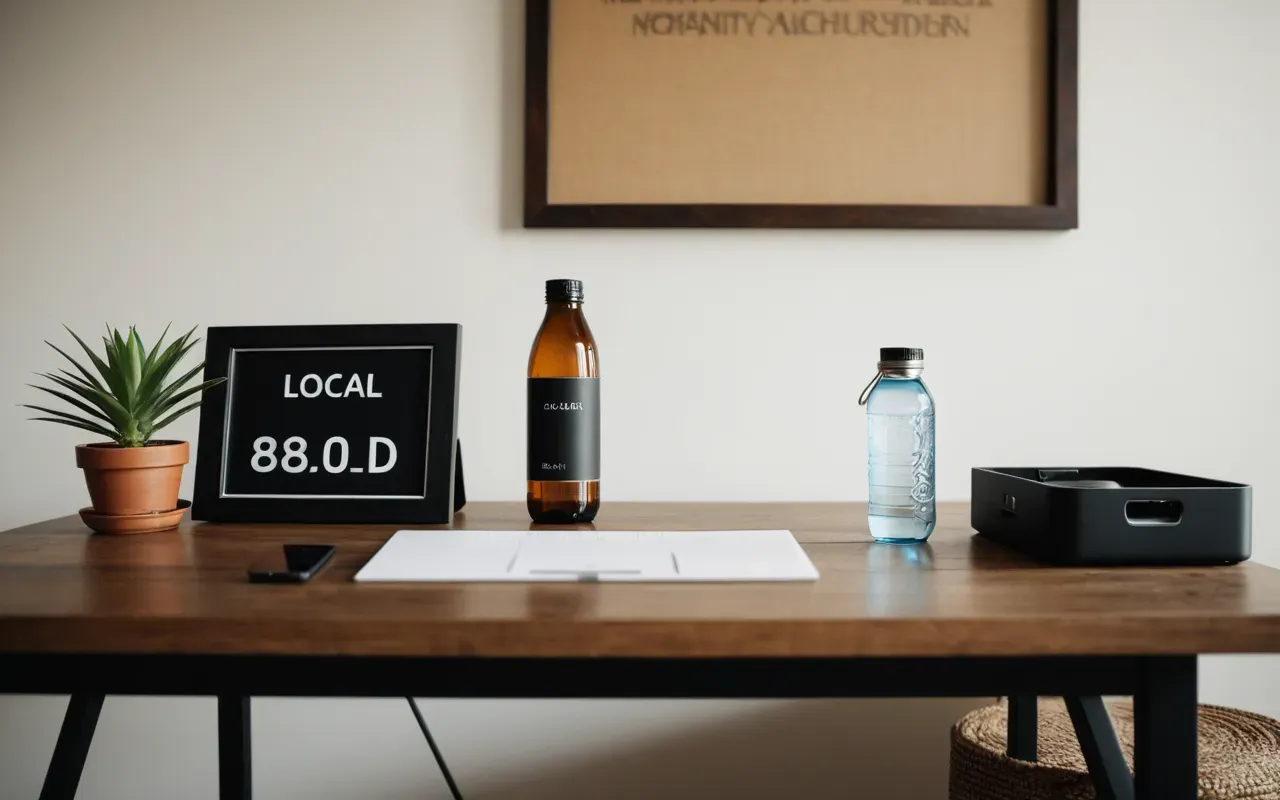
Dehydration is a silent mood killer. But chasing eight glasses feels like homework. So I turned it into a boss fight.
The boss appears at specific times: after waking up, before lunch, and during the afternoon slump. Defeating it means drinking a full bottle.
It sounds silly until you realize how much easier it is to beat a fictional monster than to remember an abstract health tip.
Leveling Up Your Hydration Habits
Once you consistently defeat the boss for a week, raise the difficulty. Add an extra bottle in the evening or carry it outside.
The key is keeping the stakes low. Miss a round and you don't lose everything. You just respawn at the next time slot.
Game Two The Step Count Treasure Hunt
Walking is underrated. But logging steps on a phone feels robotic. I turned it into a scavenger hunt instead.
Each day gets a different theme. Monday is "find three new things on the way to work." Tuesday is "walk until you hear your favorite song twice."
It turns routine movement into observation. You start noticing patterns in your neighborhood that you'd normally ignore because you were staring at a screen.
Designing Your Own Daily Quests
Write down three tiny tasks for the week. Make them specific and fun. "Find a yellow car." Or "count how many birds you see."
The more absurd the quest, the better. It removes the pressure to perform and replaces it with curiosity.
Game Three The Meal Prep Puzzle
Cooking can feel like a chore if you don't have a plan. I treat meal prep as a jigsaw puzzle with limited pieces.
Pick three proteins, two veggies, and one carb. That's your inventory for the week. No extra shopping trips allowed.
The restriction creates focus. You stop scrolling recipes and start combining what's in front of you.
Turning Kitchen Chaos Into a Win
Burn the toast? That's not failure. It's a lesson learned in the current level.
This mindset keeps cooking light. You're not aiming for perfection. You're just trying to create something edible with what you have.
Game Four The Screen Time Boss Raid
We all know we scroll too much. But willpower fails against algorithmic hooks.
So I set a timer for ten minutes. When it goes off, I have to put the phone down and do one physical thing before picking it back up.
Stretching. Drinking water. Looking out a window. The action breaks the trance.
Defeating Digital Distraction Loops
The goal isn't to delete social media. It's to regain a sliver of agency over your attention span.
Small wins build confidence. You realize you can choose when to engage instead of being pulled in.
Game Five The Sleep Schedule Dungeon Crawl
Sleep is the foundation of everything. But staying in bed at night feels like a losing battle.
I turned bedtime into a dungeon crawl. Each hour before sleep has a specific task that lowers my energy levels gradually.
No screens after . Dim lights at :. Journaling at .
Navigating the Night Time Maze
It's not about strict rules. It's about creating a path that feels natural and unforced.
Frame it as exploration rather than obligation and resistance drops significantly.
Game Six The Social Battery Management System
Introverts and extroverts both burn out socially. But we rarely track it like a resource.
I rate my social interactions on a scale of one to five. One is draining. Five is energizing.
At the end of the day, I look at my average. If it's low, I plan a quieter evening.
Balancing Connection and Rest
This isn't about isolation. It's about sustainability.
If you want to understand more on this topic, check out why your funniest friends are actually healing in plain sight. It connects humor and recovery in a way that fits perfectly here.
Game Seven The Gratitude Loot Drop
Gratitude journals can feel forced. I turned mine into a random loot system.
Every evening, I pick one object in my room. Then I write down why it exists and how it helped me that day.
It's specific. It's tangible. And it takes less than two minutes.
Finding Joy in Small Wins
The lamp that kept the dark away. The mug that held hot coffee.
These tiny acknowledgments build a foundation of contentment without requiring grand gestures.
Why This Approach Beats Traditional Wellness Advice
Traditional wellness often relies on willpower and strict routines. It's rigid and unforgiving.
Gamified approaches are flexible. They allow for failure without shame and celebrate progress without perfectionism.
If you've ever felt the invisible tax of small daily frustrations, this method helps reframe those moments as minor glitches rather than major failures.
The Long Term Benefit of Playful Living
Sustainability comes from enjoyment. If a habit feels like work, you'll quit when life gets hard.
If it feels like play, you'll keep going even when motivation fades.
How to Start Your Own Healthy Lifestyle Game Tonight
Pick one habit you struggle with. Assign it a fictional name and a low-stakes goal.
For example, call your water intake "The Blue Shield Quest." Aim for three victories this week.
Keep it simple. Keep it light. And remember that the goal is not perfection but participation.
Common Pitfalls to Avoid in Your Game Design
Don't make the rules too complex. If you need a manual to remember how to play, it's not fun.
Avoid comparing your score with others. Your level is unique to your life and circumstances.
Frequently Asked Questions About Healthy Lifestyle Games
What is a healthy lifestyle game?
A healthy lifestyle game is a self-imposed challenge that adds fun and structure to daily habits. It uses low-stakes rules and playful rewards to make routines more engaging without pressure.
How long does it take to see results from these games?
You'll likely notice improved consistency within one week. Deeper behavioral changes usually take three to four weeks of regular play and reflection.
Can these games help with stress management?
Yes. By reframing tasks as play, you reduce the emotional weight of obligations. This shift often lowers cortisol levels and improves overall mood.
Do I need special tools to start playing?
No. Most games require only your attention and a simple note in your phone or journal. The focus is on mindset rather than equipment.
Final Thoughts On Making Life Feel Less Like Work
Life doesn't have to be a grind. It can be a string of small wins and goofy little experiments.
So tonight, pick one game. Set the bar embarrassingly low. And enjoy how absurd it feels to take yourself a little less seriously.
If you're ready to laugh at your own routine, check out mundane moments that prove your life is a sitcom. Honest take: it pairs well with this whole mindset shift.