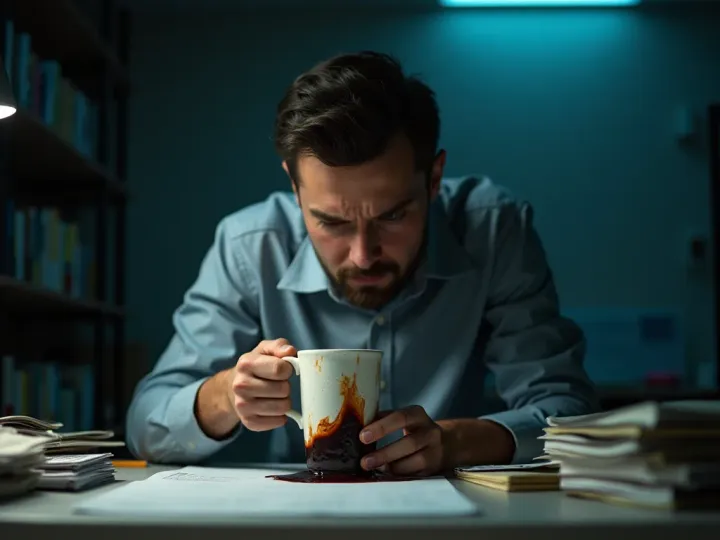
The hidden reason your morning disaster is actually the funniest thing that happened to you
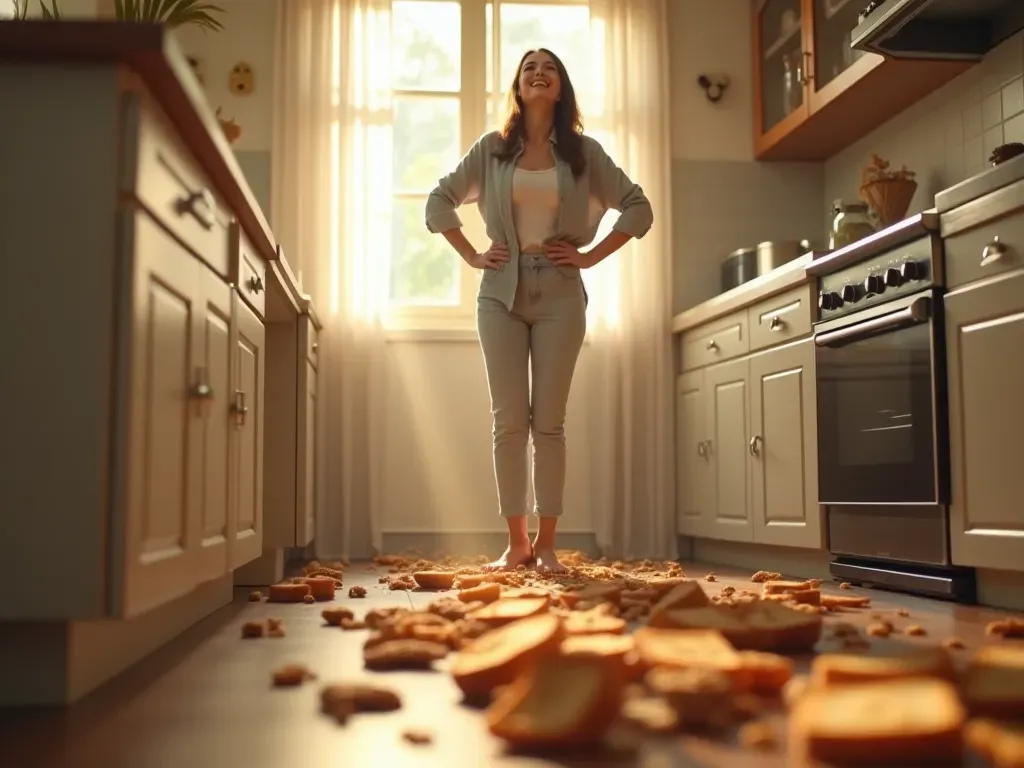
The Morning That Broke The Internet
It started with a coffee spill. Then the toast flew across the kitchen. And then the door slammed shut on your thumb. Congratulations — you've won the daily blunder award.
A recent video compilation titled
The clips are short. Messy. Painfully real. Millions of people are watching them right now, laughing at their own screens.
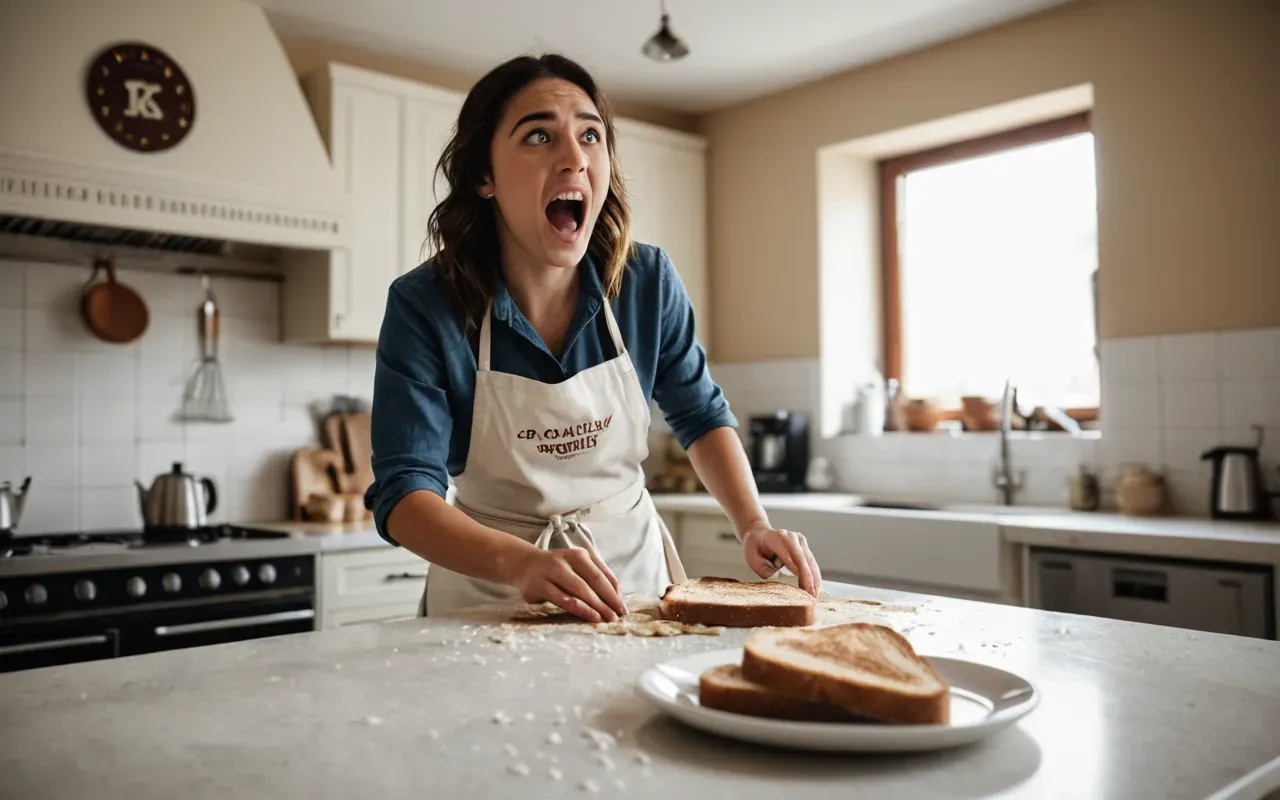
Why We Love Watching Things Go Wrong
There's a strange comfort in watching other people fail. It reminds us we're not alone in our clumsy moments. Psychologists call this
When you see someone trip over their own feet, your brain releases a small burst of relief. You didn't do it. That's the joke. And it's also the point.
We keep seeing this pattern in viral content. The funniest videos aren't about success — they're about the tiny, stupid things that go wrong. A dog stealing a shoe. A cat knocking a glass off a table.
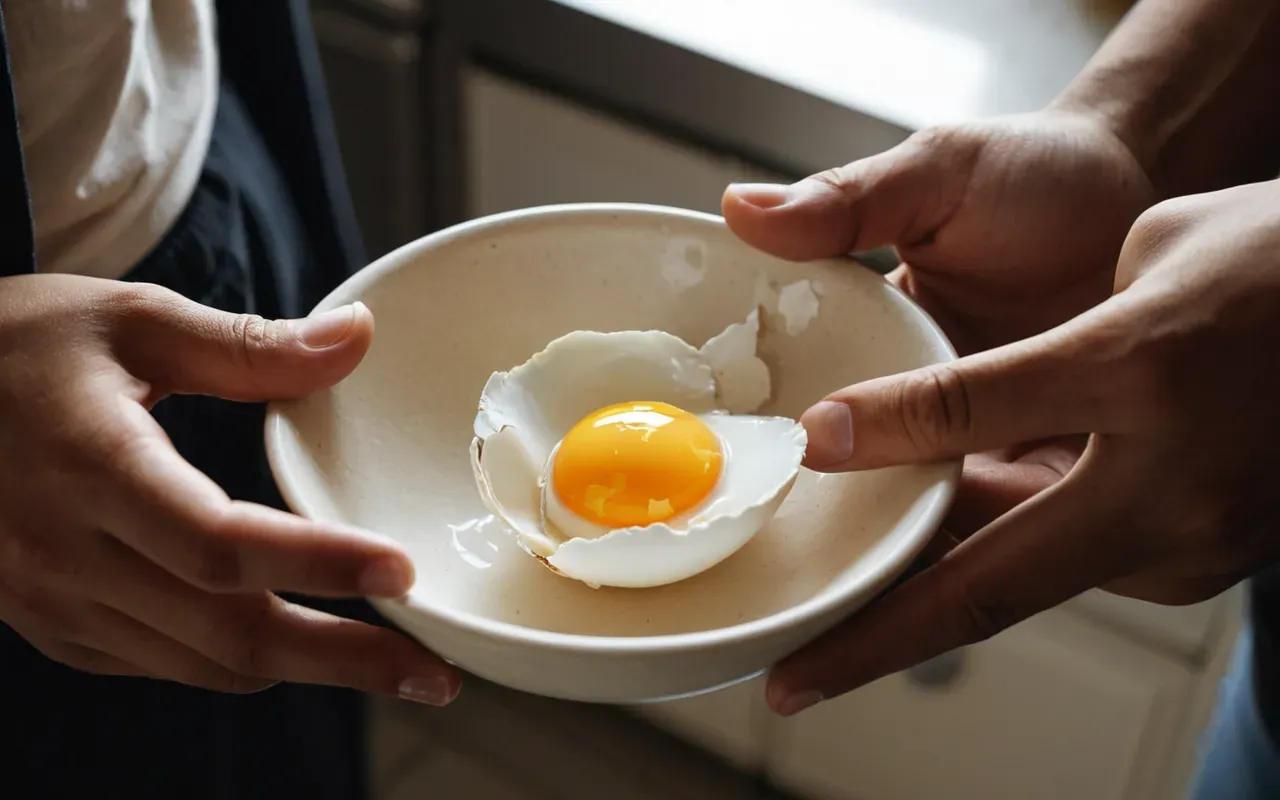
These moments are universal. They don't care about your job title or where you live. A spilled drink is a spilled drink. A broken egg is a broken egg. We all know the feeling.
The Science Of Shared Laughter
Laughter isn't just a reaction. It's a social tool. It tells other people the situation is safe. It lowers tension in a room. And it builds trust between strangers.
Watch a video of someone dropping a plate and your brain mirrors the action. You feel a tiny bit of the panic. Then the relief hits. That shift is what makes it funny.

The Real Reason These Videos Go Viral
It's not just about the mistake, though. It's about the reaction. The face you make when the toast hits the floor. The way you look at the mess. That's the part people remember.
We're drawn to authenticity. Polished content is fine, but it feels distant. A messy kitchen and a frustrated sigh feel real. They feel like your life. That's why they stick with you.
Think about the last time you tried to look professional on a video call. Your dog walked in. Your coffee cup fell over. You froze. Those are the moments your friends will quote for years.
We keep seeing this in the data. Videos with genuine reactions get more shares. People want to see someone else be human. They want to see the mask slip, just for a second.
Why Perfection Is Boring
A perfect day is hard to remember. You do the dishes. You go to work. You come home. You sleep. Nothing stands out. Nothing gives you a story to tell at dinner.
A messy day, on the other hand, is a story. It has a beginning, a middle, and an ending. It has a lesson — or at least a laugh. It gives you something to talk about with a friend.
Think about your favorite family photos. They're rarely the posed ones. They're the blurry shots where someone is laughing. The times the camera caught a real moment.
How To Turn Your Bad Day Into A Good Story
The first step is to stop apologizing. You don't need to say sorry for spilling water. You don't need to explain why you missed the bus. Just own the moment.
The second step is to find the absurdity. Did the coffee hit the floor at the exact moment you said
The third step is to share it. Tell a friend. Post a blurry photo. Let people laugh with you. Humor is a gift you give to others. It makes them feel connected to you.
We keep seeing this in our own lives. The days that feel the worst often become the funniest stories later. Time turns pain into punchlines. It turns stress into shared joy.
Practical Tips For Laughing Off Mistakes
Keep a
Practice the
Look for the visual joke. Did the toast land butter-side up? Did the dog look guilty? These small details turn a bad moment into a funny one. They make it memorable.

The Bigger Lesson Behind The Laughter
Life is unpredictable. You can't control every variable. You can't stop the wind from opening the window. You can't stop the cat from knocking things over.
What you can control is your reaction. You can be angry. You can be frustrated. Or you can choose to laugh. You can choose to see the humor in the chaos.
That's the real value of these viral videos. They teach us to be kind to ourselves. They remind us that a spilled coffee isn't a failure. It's just a Tuesday.
We keep seeing this in our conversations. People who laugh more are generally happier. They have fewer stress symptoms. And they build stronger bonds with the people around them.
Embracing The Imperfect Parts Of Life
Perfection is a myth. It's a standard we set for ourselves that no one else expects. People don't want you to be perfect. They want you to be real.
When you embrace your mistakes, you give others permission to do the same. You create a space where it's safe to be human. That's a rare and beautiful thing.
So the next time you drop your phone, don't curse. Don't panic. Just take a breath. Look at the screen. And maybe — just maybe — start laughing.

What This Means For Your Daily Routine
Start small. Notice the small wins. Did you make it to work without spilling coffee? Celebrate that. Did you find your keys on the first try? Give yourself a nod.
And when things go wrong, lean into it. Make a joke. Share the story. Let people see the mess. It's more engaging than any polished update could ever be.
We keep seeing this in social media trends. Authentic content wins. People want to connect with real humans, not idealized versions of people. Be the real one.
Your life is a sitcom. You're the main character. The mishaps are the plot twists. The laughter is the payoff. Embrace the script, even when it's messy.
Building A Culture Of Shared Humor
Talk about your bad days. Ask friends about their clumsy moments. Create a space where it's okay to share failures. It builds trust. It builds connection.
When you share your mistakes, you invite others to share theirs. It creates a cycle of openness and joy. It turns isolated moments into shared experiences.
That's the power of humor. It bridges gaps. It breaks down walls. It reminds us that we're all in this together, stumbling and laughing along the way.

The Final Thought On Daily Mishaps
The next time you have a bad day, remember this. It's not a failure. It's a story waiting to be told. It's a chance to connect with others. It's a reminder that you're human.
So laugh. Share. Connect. Let the mishaps be what they are — a small, stupid, beautiful part of life. They're not the end. They're just the plot twist.
And if you need a reminder, just watch the videos again. See the coffee spill. See the toast fly. See the dog steal the shoe. And remember: you're not alone.
Life is messy. But it's also funny. And that's the best part. Embrace the chaos. Share the laughter. And never take yourself too seriously.