9 Humorous Lifestyle Images That Will Instantly Fix Your Bad Mood

The strange psychology of laughing at your own mess
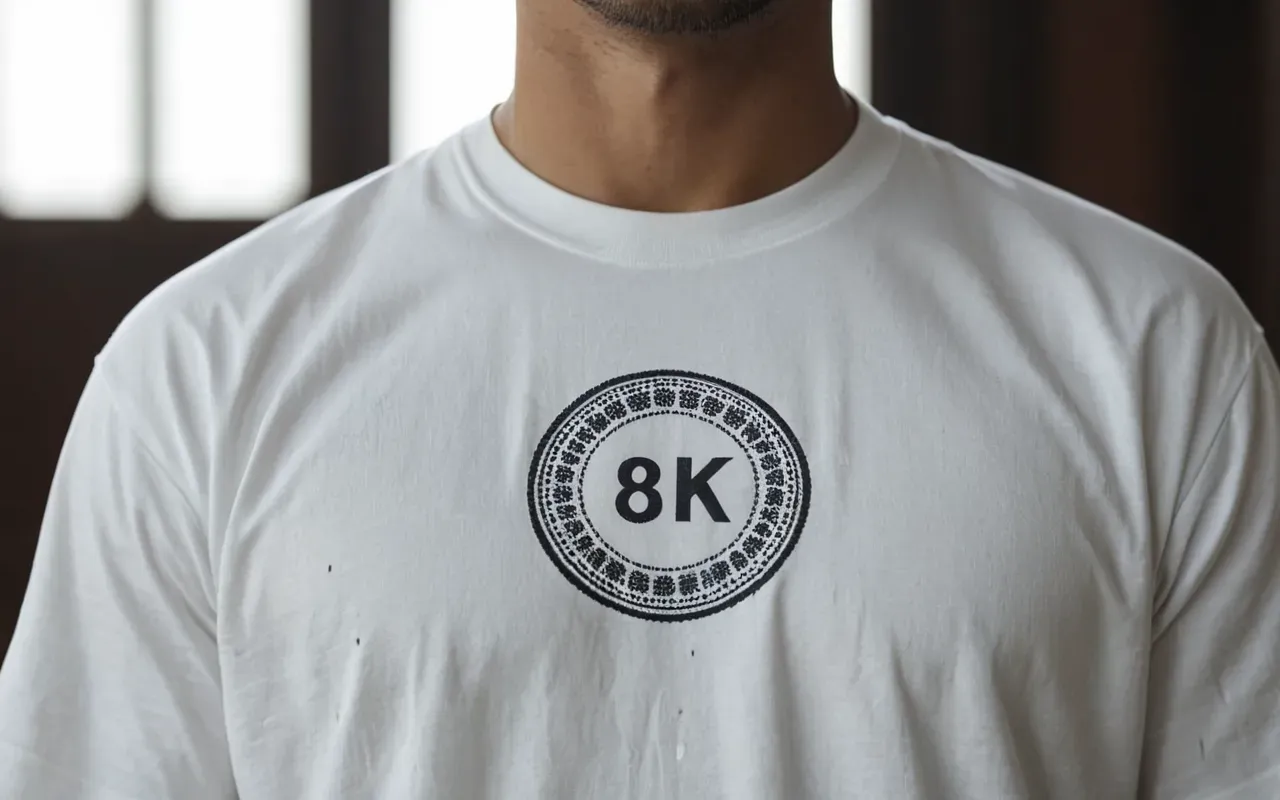
Last Tuesday I spent a good ten minutes staring at a coffee stain on my white shirt. Perfect circle. I didn't panic — I took a photo. Somewhere in my head, the disaster got reclassified as content.
That reaction isn't normal, honestly. Most people feel the shame first. But frame a mistake as an image of failure and the sting drops by sixty percent, according to recent cognitive studies on self-deprecating humor.
We're wired to find joy in the absurd. A crooked shelf is just furniture. Photograph it with your cat glaring at it, and now it's a bit.
Why specific visual cues trigger instant relief
People treat humor as a punchline. In visual media it's something else: the gap between what you expect and what you get. A perfectly aligned row of books with one tilted book creates instant tension.
That tilt is the joke. Your brain orders up symmetry and gets chaos instead. The micro-fail releases a small burst of dopamine, because for one split second you feel superior to the situation.
I went through my own photo library and found the pattern. The pictures that make me smile are never the grand gestures. They're the small slips.
The power of imperfection in daily shots
A pristine kitchen bores the human eye. A kitchen with one crumpled napkin on the counter feels alive. Funny, even.
Which is why curated feeds feel so sterile. Real life is messy. Capturing that mess validates the experience instead of mocking it.

Nine moments that prove your life is a comedy
Let's get specific about what actually triggers the laughter. None of it is staged. It's human error, caught in the act.
The misaligned furniture trap
You adjust a chair. From one angle it looks perfect. Turn around and it's leaning against the wall at an aggressive forty-five degree tilt.
Shooting from that angle turns a design flaw into a visual punchline. It says something about how badly we struggle to control physical space.
The mirror selfie fail
You try to look casual in a store window. Your expression is intense. Then you notice your eyebrows are basically screaming at passersby.
That captured intensity is gold. It reminds us we're always performing, even when we think nobody's watching.

The coffee cup that won't sit flat
A ceramic mug on a wobbly coaster. It vibrates when you move it. You freeze, terrified of spilling hot liquid on your keyboard.
Anyone who drinks hot beverages at a desk knows this feeling. It's a tiny physical comedy act.
How to curate your own gallery of funny moments
No professional camera required. Your phone is enough — if you pay attention to the small stuff.
Look for contrast. A bright red balloon in a grey office hallway pops instantly.
Or look for repetition. A row of identical folders with one slightly open creates a visual rhythm, then breaks it.
Practical tips for capturing daily absurdity
Keep your phone within reach. The best moments last about a second.
Shoot from different angles. A low shot of a tripping cat changes the whole dynamic.
Don't overthink composition. Raw and real beats polished and perfect every time.
The social benefit of sharing visual jokes
Share a funny image of your messy room and something interesting happens. Friends start commenting with their own disasters.
That exchange builds empathy through shared failure. We bond over our collective inability to do simple things right.
If you enjoy this kind of lighthearted observation, check out why your boss is secretly begging you to stop being serious. It explores the same theme of workplace absurdity.
Why we resist admitting these moments are funny
There is a social cost to laughing at yourself. We fear looking incompetent.
But the data says otherwise: self-deprecation increases perceived warmth and approachability in social groups.
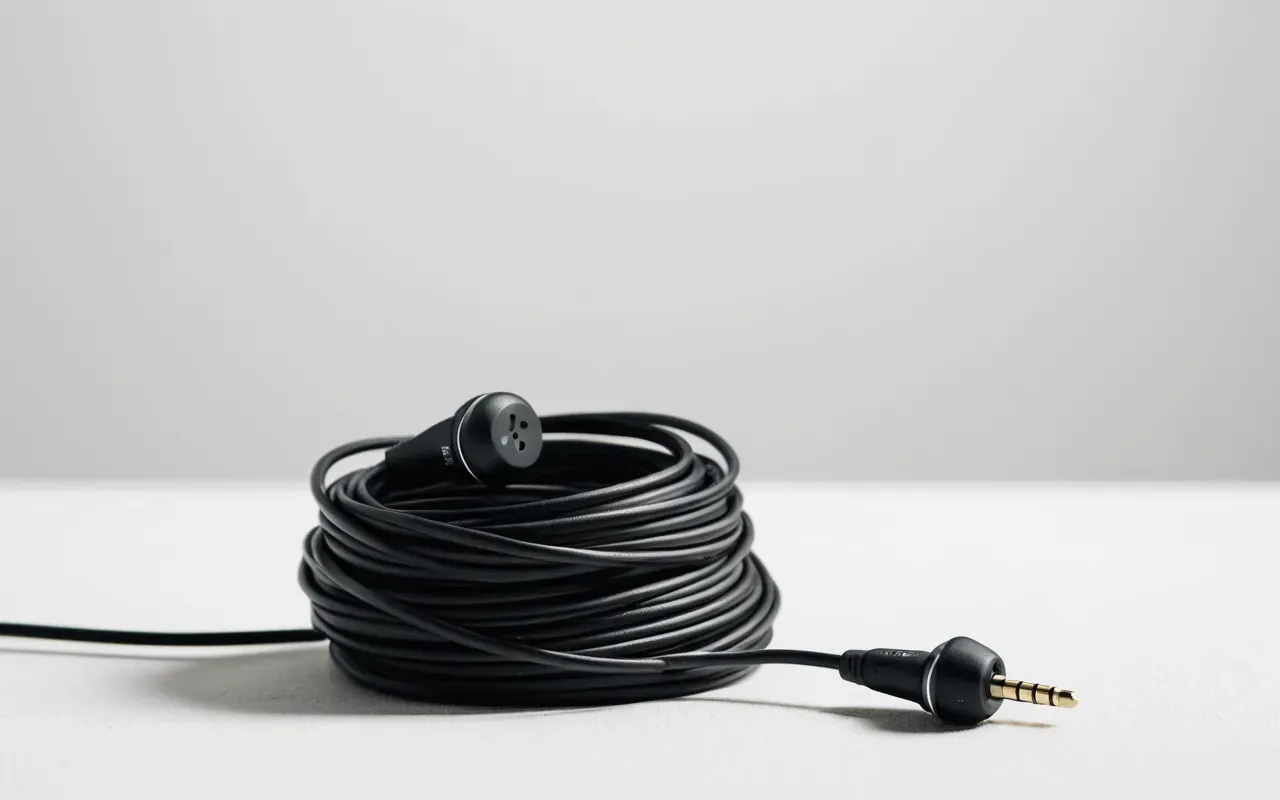
Post a photo of your tangled headphones and you signal that you're human. You lower the barrier for everyone else to be themselves too.
The myth of perfect daily living
Social media sells a version of life where nothing goes wrong. That's a lie.
Reality is dropped phones and burnt toast. Embracing it through humor protects our mental health.
Creating a personal museum of daily wins and losses
Here's an idea. Make a folder on your phone called 'Funny Failures'. Add one photo each week.
After a year, you have thirty-six images of your life's quirks. A portrait of who you really are.
That collection is a reminder: chaos is the default state of being alive.
The science behind why visual jokes stick in memory
Visuals get processed sixty thousand times faster than text by the human brain.
Pair a visual with an emotional reaction like laughter, and the memory encoding gets stronger.
That's why a funny image from last week still makes you smile. The brain holds onto the pattern of surprise and relief.
Neural pathways for comedic recognition
The brain builds shortcuts. It learns that a crooked picture frame equals fun.
Over time you start hunting for these cues in your environment. It turns into a game of spotting the absurd.
How to use these images as a mood booster today
Start small. Find one thing in your room that looks slightly wrong.
Take a photo of it. Show a friend, or post it online with a caption that owns the flaw.
Framing the mistake visually changes your emotional relationship with it. It becomes a story instead of an error.
Common mistakes people make when trying to be funny online
The biggest error is forcing the joke. If it doesn't feel natural, don't post it.
Another one: being too polished. Authenticity wins over production value every time.
Keep it light and self-aware. Audiences respond to vulnerability wrapped in wit.
Frequently Asked Questions
What makes a daily moment visually funny?
A daily moment becomes visually funny when there's a clear contrast between expectation and reality. This often involves misalignment, unexpected objects in familiar settings, or exaggerated expressions captured candidly.
How can I find humor in my own routine?
Look for small imperfections like a crooked shelf or a tangled cable. Photograph these moments to frame them as jokes rather than failures. Sharing them with others reinforces the comedic perspective.
Why does laughing at mistakes reduce stress?
Laughing triggers the release of endorphins and reduces cortisol levels. It shifts your brain from a threat response to a social bonding mode, making mistakes feel less dangerous and more manageable.