Reducing Cancer Risks Through Lifestyle Changes Can Significantly Lower Global Disease Burden

A Global Perspective on Cancer Prevention and the Power of Lifestyle Changes
Looking at recent work from the World Health Organization, one sees how lifestyle plays a big role in fighting cancer - yet this piece gets little attention. More than one out of every three cancer diagnoses worldwide tie back to behaviors that can change, showing prevention is possible with unified actions across private lives and public policies. Since cancer kills large numbers of people around the globe, these results push leaders, doctors, and people alike toward stopping illness before it starts. Quitting cigarettes alone can make a real difference, while cutting back on dirty air around us does too. These steps add up more than people might expect, showing how vital it is to bring medical knowledge within reach and launch focused community programs where they’re needed most.

Key Lifestyle Factors Contributing to Cancer Risk
Right now, if we look at current information, certain habits and exposures tie closely to more people getting cancer. Standing out above others is tobacco use - it drives around fifteen percent of tumors globally, though it climbs closer to twenty-five percent for men. When someone lights up, harmful particles reach DNA, nudging cells down broken paths into growths inside lungs or elsewhere across body. Alcohol plays a key role in about 3.2 out of every 100 people developing cancer, often tying to liver, breast, or digestive tumors. Being overweight matters too - low exercise levels add another layer, along with specific germs that spread easily where medical care is limited. In some areas, dirty water or unsafe living spaces deepen health dangers simply by existing. What stands out is how dirty air boosts danger even more - particularly across East Asia and parts of Northern Africa, where smoke-filled lungs become common. Seeing how these things play a role helps shape smart plans for stopping cancer, also making better lifestyle picks possible among different community groups.
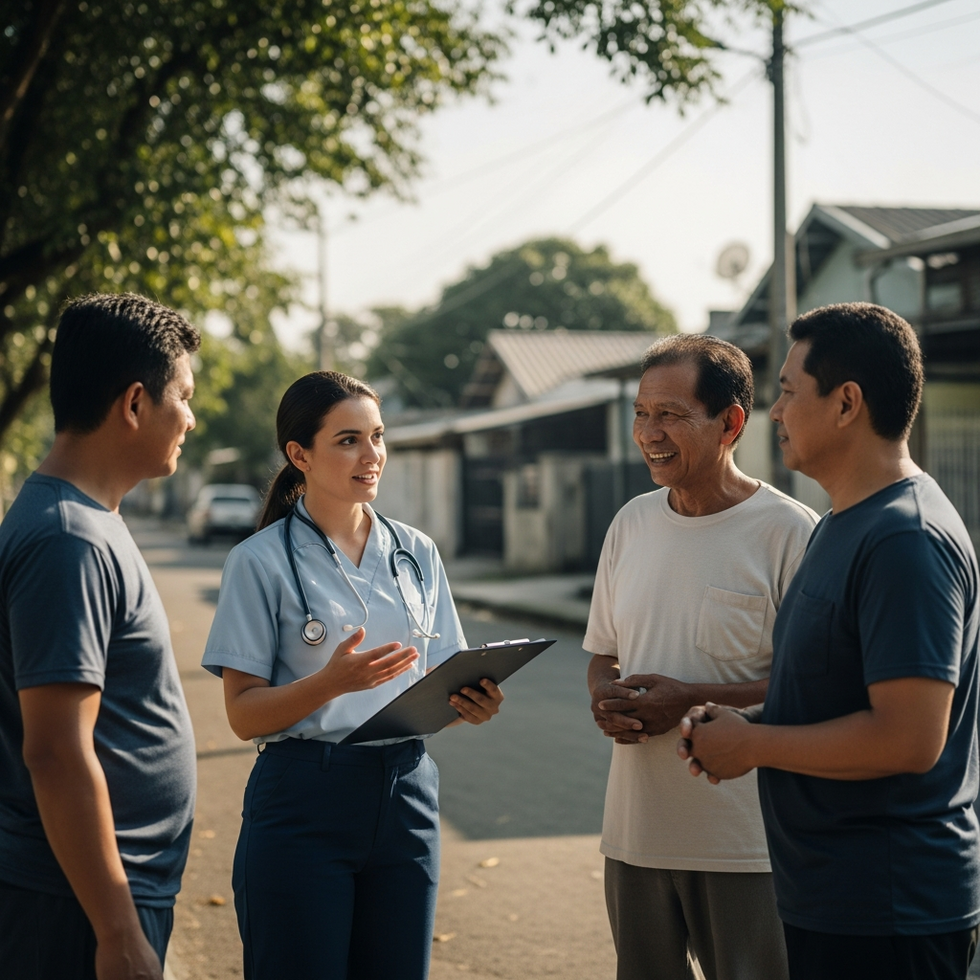
The Impact of Vaccines and Public Health Initiatives on Cancer Prevention
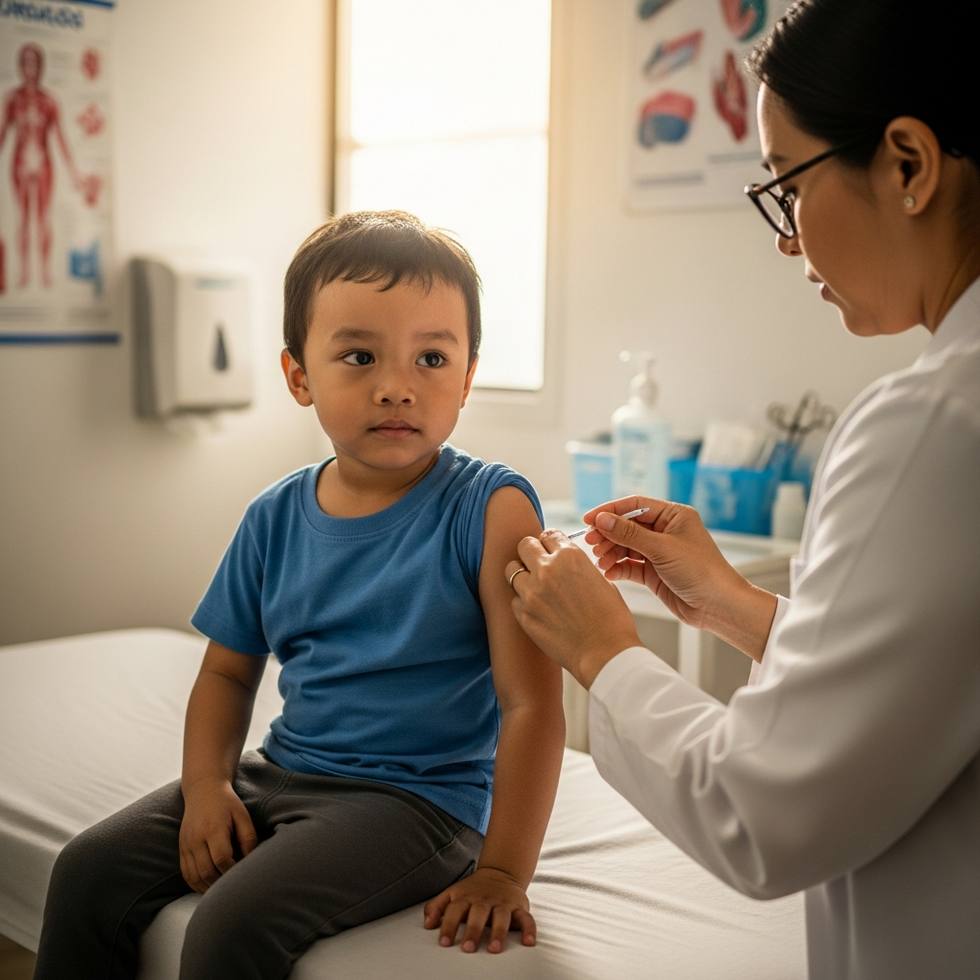
Science has improved methods to lower certain cancer dangers - take the HPV vaccine, for example. This shot targets a virus tied to most cervical cancers, which stands among the most avoidable types in women. By cutting down on infections, such medicine helps block future illnesses too. Still, access across the globe is far from uniform, held back by things like distance, cost, and supply chains. Getting more people vaccinated helps cut down on cervical cancer across the globe. Public efforts to quit smoking, move daily routines toward activity, and upgrade how communities manage waste play key roles in stopping cancer before it starts. Supporting awareness and access through funding matters - this includes stronger programs in areas with fewer resources. Progress only grows when leaders prioritize these actions, no matter where they serve.
Future Directions and Policy Recommendations for Reducing Cancer Incidence
One way to face the worldwide cancer crisis is blending data-driven changes in rules with local involvement plus personal choices. Leaders must focus on policies cutting down cancer-causing substances - like tougher air rules and stronger anti-smoking efforts. People might take healthier paths once they know what helps, like stopping tobacco, drinking less, staying active. Still, fitting cancer prevention into basic healthcare helps spot problems sooner while cutting medical expenses. Working across borders matters more than ever, particularly when it comes to reaching life-saving vaccines and better water and waste systems where they’re needed most. At the core, shrinking the role of avoidable cancers means bringing together research, rules, and local efforts so making good health decisions becomes easy, steady, and within reach for everyone.