Simple Lifestyle Changes That Could Significantly Increase Longevity

Adapting Small Lifestyle Habits for Longer Life Expectancy
Looking at newer science shows how small steady changes in daily habits might extend life quite a bit. Scientists reviewed information from many people monitored across multiple years, finding certain actions could extend life close to ten years. That result puts emphasis on modest upgrades like eating better, moving more, staying connected with others. Though unnoticeable at first, these shifts often lead to real improvements in well-being. Starting small makes more sense than changing everything at once, say those who study community well-being. This message lands clearly, easy to follow, without needing big leaps or expert credentials.

Scientists point to diet among the strongest shaping forces on health. Eating plenty of nutrient-packed items - fruits, veggies, whole grains, plus good fats - matters deeply for both duration and well-being. New findings show cutting back on packaged snacks, too much sugar, and saturated ingredients can reduce odds of long-term illnesses while boosting cell function. Some folks suggest adding certain superfoods or supplements known to help people live longer. Think omega-3s or antioxidant-rich items, for instance. The beauty of basic diet changes? They tend to stick around much longer than complicated ones. If you want to fine-tune what you eat, talking to a doctor or diet expert might guide you toward meals suited to your specific needs.

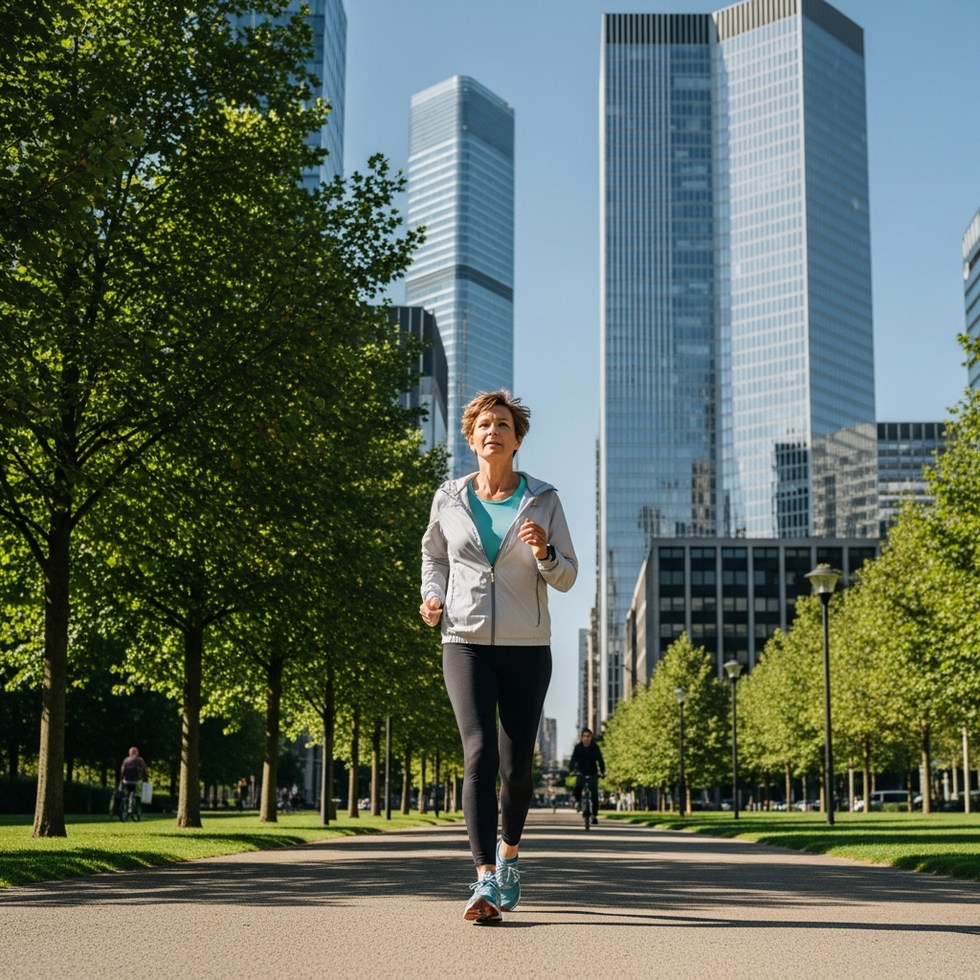
Moving more plays a big role in living longer, yet tiny boosts in everyday motion still matter. According to those who study health, doing activities such as fast walking, biking, or swimming for only 150 minutes weekly might lower chances of heart problems, cancers, and brain-related illnesses. What's crucial? You won’t need to start training like a pro immediately - just showing up regularly makes a difference. Every day, small choices add up. Climbing stairs rather than pressing a button, or stepping outside during work pauses, builds lasting effects. Studies show frequent movement links to stronger mood, healthier defenses, also more ability to bounce back when getting older. Starting with clear targets helps keep both younger and older active over time.
What keeps people alive? Close connections and good mental wellbeing stand out. Research finds those who stay involved with others - through friendships or shared efforts - often live longer, even during later years. Belonging to groups, giving time, or just spending time with loved ones may lower risks from isolation and sadness. These links matter because feeling cut off or unfulfilled tends to shorten life. Exploring hobbies, picking up fresh abilities, or focusing on awareness routines lifts mental sharpness. Surprising? A steady mindset plus rich connections shape how we feel physically, showing aging isn’t just about genes but also care for emotions and bonds. Keeping near and keeping up mentally builds a full picture of growing well, while adding joy across years.