The Evolution of Entertainment in the Modern Lifestyle and Its Impact on Cultural Trends
The Transformation of Entertainment and Its Role in Shaping Modern Life
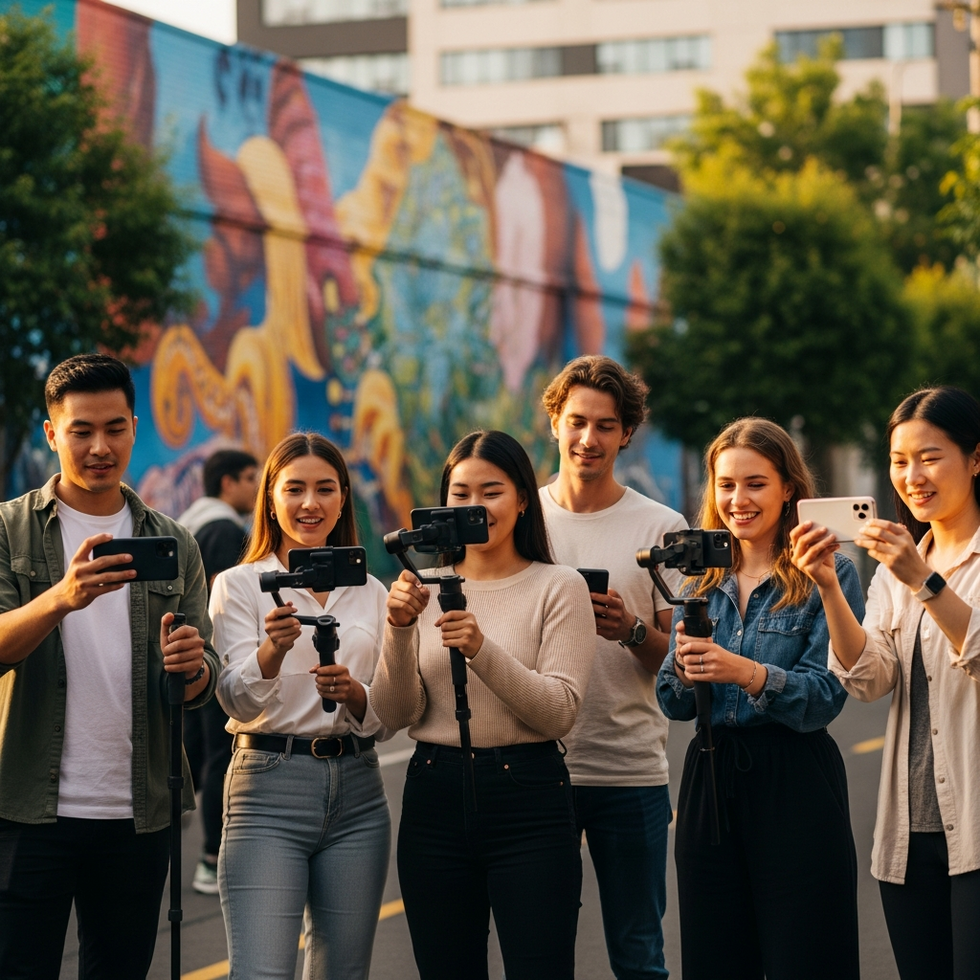
Since the beginning of time, shows and stories have shown us what people cared about - their beliefs, new tools, even new ways of living. Right now, how we enjoy media feels constantly shifting, pushed forward by fast changes in tech and what audiences want. Instead of just film or songs, options stretch into online video on demand, play-by-play video games, and dreamlike VR adventures - reshaping how free hours get filled. Change doesn’t stop at fresh ways to watch - it spreads into how fun shapes our lives, conversations, moments. When fans want stories that fit their schedule and feel just right, companies adjust fast, mixing smart tools with original ideas for everyone everywhere. Nowhere is this clearer than seeing someone rise from viewer to maker through apps such as TikTok or Instagram, turning everyday moments into public appeal. Fame now grows differently, built less on studios and more on screens people tap every day. What's changing slowly starts shifting how people dress, speak, act, yet it pulls power from old places - like music or movies - spreading into politics too, quietly taking center without announcement.
The Influence of Streaming and Digital Media on Lifestyle Choices
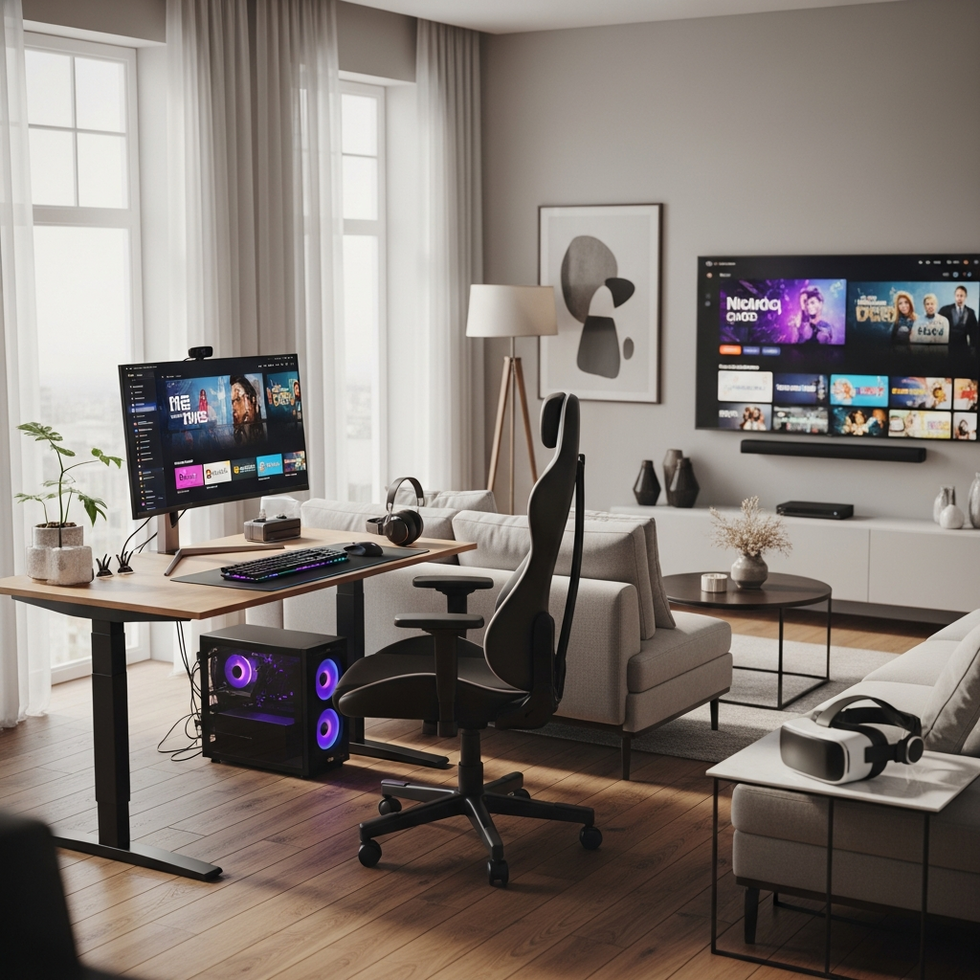
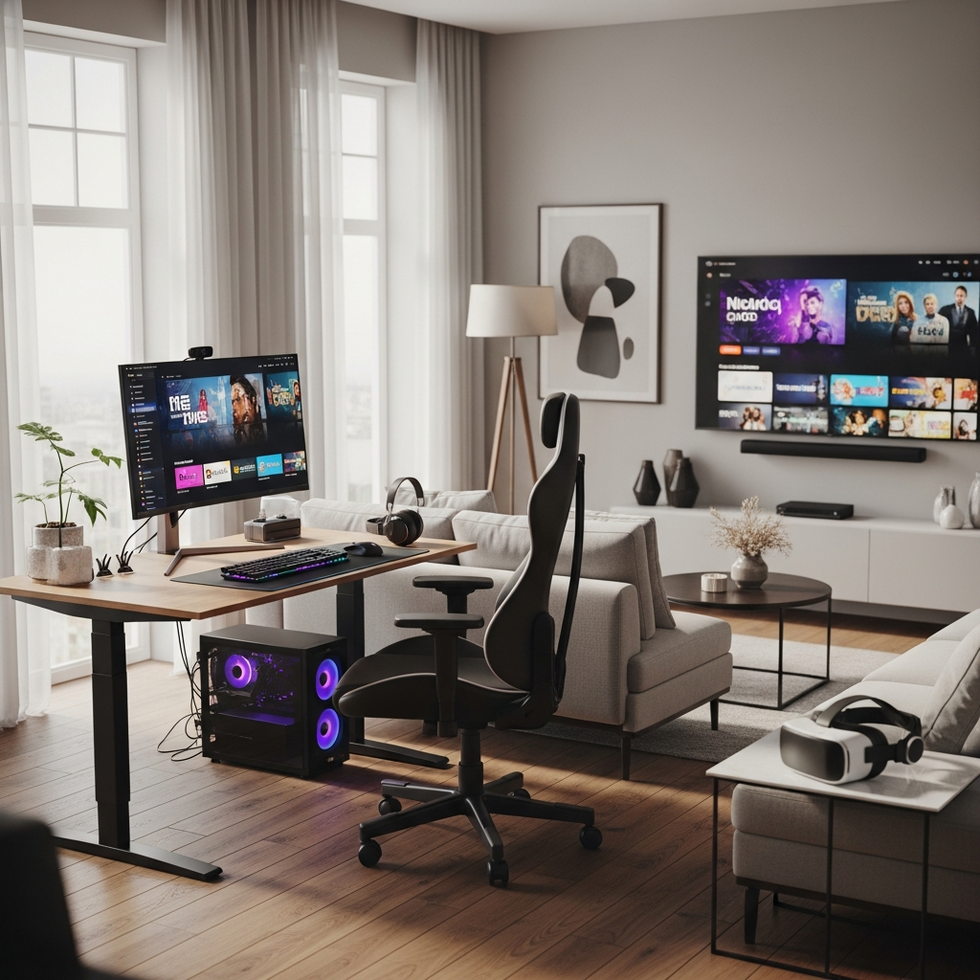
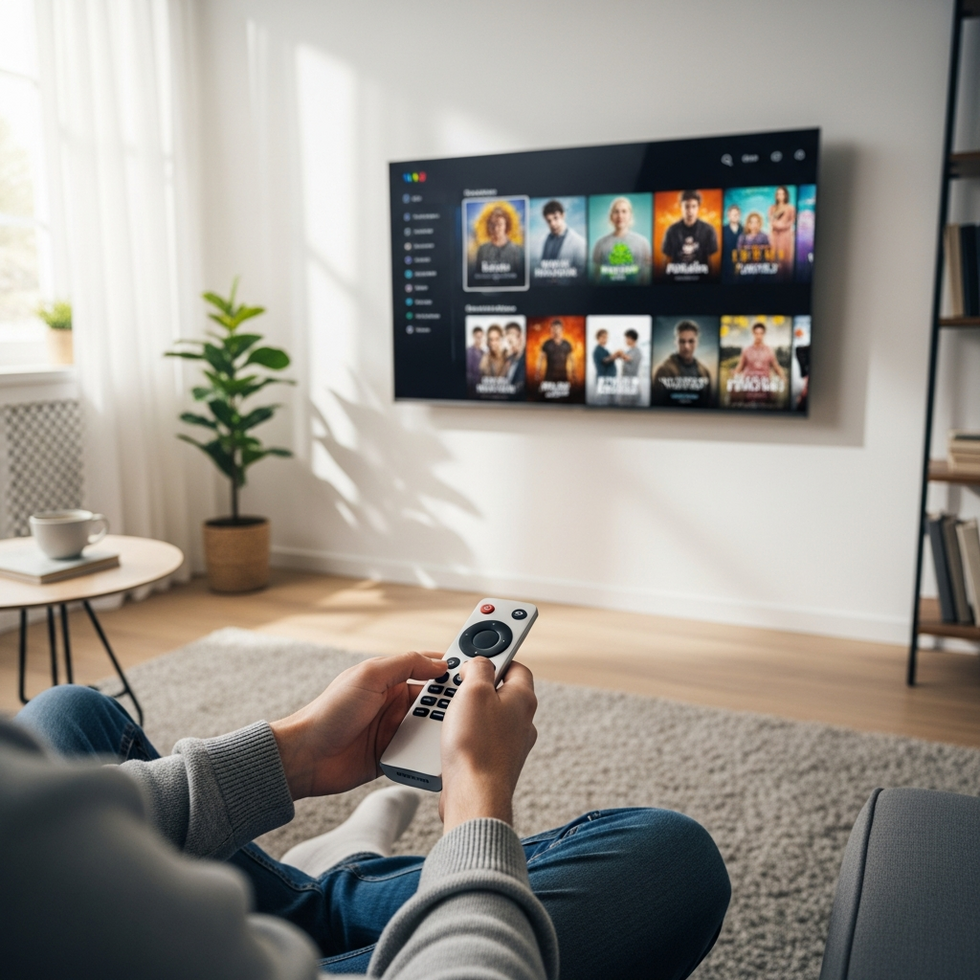
Lately, platforms like Netflix, Amazon Prime, Disney+, and Hulu have turned entertainment upside down. Watching whenever feels good - this ease pulled old cable and discs straight into retirement. Screens like laptops, phones, and connected televisions now hold attention far more than before. What we watch quietly shapes how we spend time, plan nights, pick shows. Life itself bends slightly under these clicks and scrolls. These days, folks pick how they spend free time - binging shows on screens, joining online viewings, or just talking while watching together. What stands out is how shows now reflect many cultures and individual tastes, opening doors for everyone. Because of changes in who gets seen, smaller topics or new makers actually reach people, shaking up what used to be normal big-budget fare. So now fun fits wherever you go, shifts around your moods, bends to what you feel, ties into small moments - a quiet ripple in how life flows when screens grab so much attention. This little change whispers something louder: the way we live bends under constant digital pulls, nipping at habits, reshaping quiet corners without warning.
Gaming and Virtual Reality Redefining Leisure Engagement
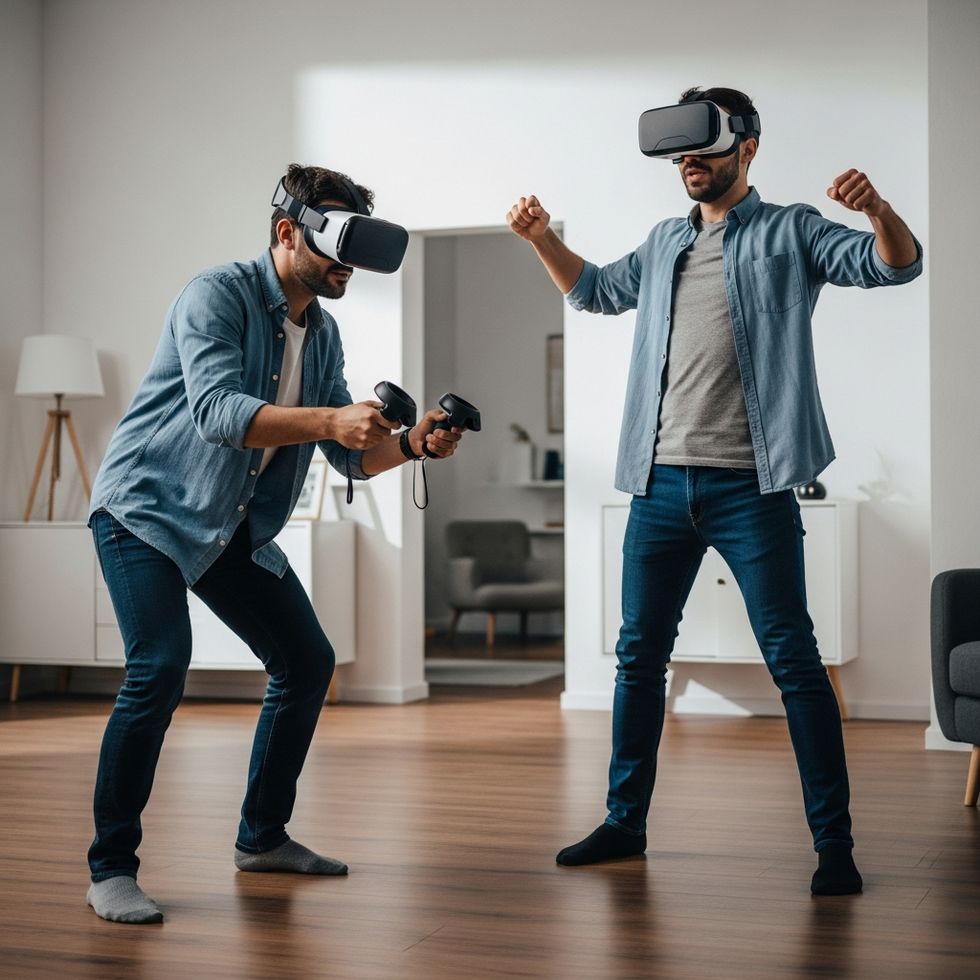
Nowhere else does entertainment stretch quite like video games and virtual reality. Thanks to better tech, experiences feel closer to life than ever in the past. Systems such as PlayStation VR, Oculus Rift, and HTC Vive changed how people engage with media entirely. Instead of watching passively, folks dive into made-up environments together online. Some moments resemble music events or casual meetups - just without physical space. Realism creeps in quietly through motion, sound, presence. What counts is how deeply these interactions pull users in now. Life shifts noticeably when tech moves fast, pulling people into hands-on play that links families across distances. Movement-based fun nudge's folks off couches, getting steps counted without strict routines. Digital playgrounds connect strangers through shared challenges, building bonds beyond nearby friends. When headsets drop prices, new ways emerge - mixing school lessons with playtime, blending learning with hanging out. Boundaries fade where imagination flows freely, showing how much play shapes what feels normal today.
Cultural Shifts Fueled by Entertainment and Social Media Engagement
What we watch often shifts how we think, especially since online spaces now shape what feels modern. Sites such as TikTok, Instagram, and Twitter push new ideas fast - some become instant hits while others fade quickly. A person might go from unknown to famous in just days through these networks. These flows of information don’t just reflect reality; they twist it, altering views on looks, styles, and deeper concerns among large groups. Look at influencer culture - it shows how things are changing. People who rose through online spaces now shape what fans buy and care about. Movies and shows too tend to mirror real arguments going on around issues like identity, masculinity, or protest. Over time, these digital spaces shift so culture feels less fixed, more shaped by everyday people, their experiences, their opinions. Nowhere else does fun blend so freely with shared moments online. This mix sparks fresh scenes across communities, linking people in ways once unseen. Change happens here nonstop, turning watching into something people talk about every day.