The Great White Shark Is Not Chasing You But Waiting For You To Bleed
The Hunt That Never Really Ends
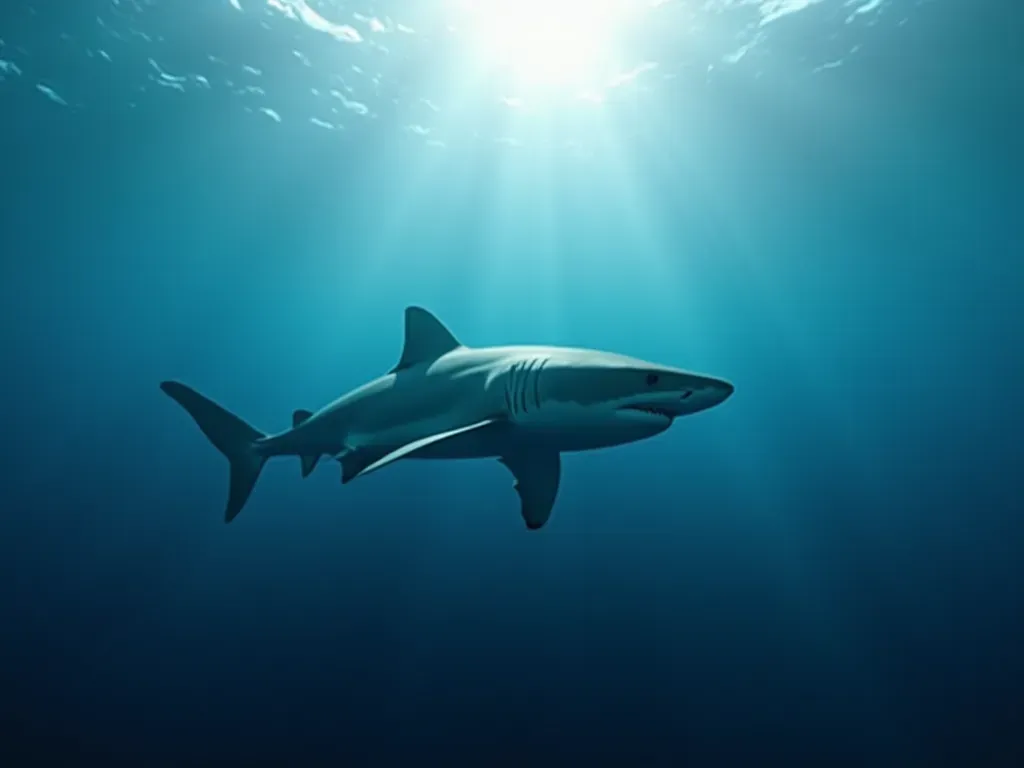
We picture the great white as a machine of pure, instant violence. One bite, one kill, one meal. Clean. Brutal. It fits neatly into how we like to think nature works. But the reality is messier, slower, and honestly far more unsettling. The shark isn't just a killer. It's a patient strategist.
Recent observations of sea lion attacks have flipped the script entirely. Researchers tracking these interactions noticed something odd: the prey often survived the initial strike. Instead of dying on impact, the sea lions swam off, bleeding and weakened. And the shark didn't come tearing after them. It waited. That passive aggression is the heart of the new finding.
This isn't a glitch in the data. It's a calculated risk. By letting the prey escape, the shark saves its own energy — it lets the ocean do the work of weakening the target. Compare that to the explosive, high-speed chases we see in documentaries. The shark is playing a long game. And it's winning.
The Percent Survival Trap
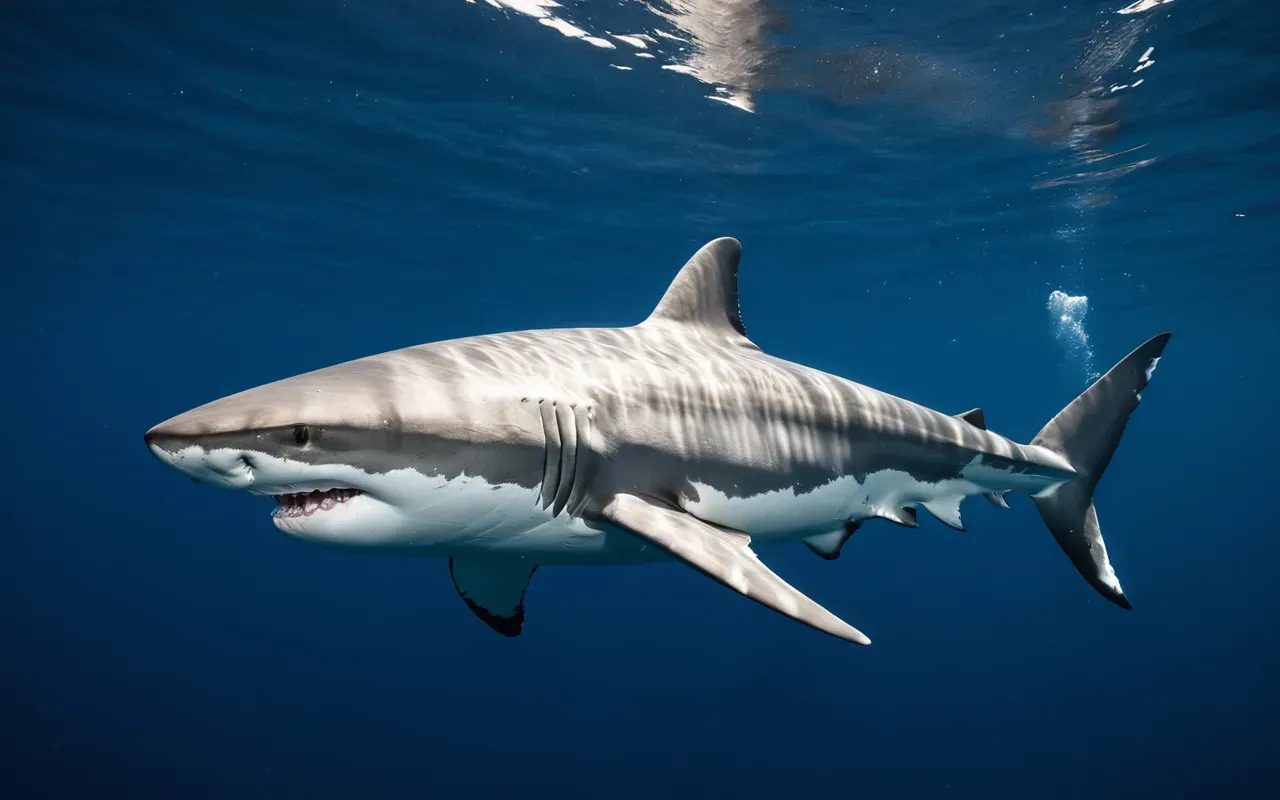
The numbers tell a chilling story. In seventy-five percent of observed cases, the sea lion survived the first bite. That's no minor injury. It's a catastrophic wound that turns the prey's escape into a slow, agonizing process. The shark knows this. It doesn't need to chase. It just waits for the inevitable collapse.
Think about what a high-speed pursuit actually costs. For a two-ton apex predator, chasing a fast, agile sea lion is expensive. It burns calories. It risks injury. Let the prey swim away, and the shark avoids that bill entirely. It's a biological efficiency that borders on cold calculation. The shark isn't lazy. It's smart.
This changes how we view the predator-prey dynamic. It's not just about strength. It's about energy management. The shark is the ultimate strategist, using the environment and the prey's own biology against it. And it's a lesson in efficiency we humans tend to ignore. We chase every opportunity, burning out in the process.
Why Patience Wins in the Ocean
Out in the wild, patience is a survival tool. The shark knows the sea lion will eventually tire. It will bleed out. The shark will return. This isn't a failure of aggression — it's a success of strategy. The shark isn't missing out on a meal. It's securing one with minimal effort. That's a profound shift in how we understand apex predators.
We tend to think of sharks as mindless killers. This research suggests they're far more complex. They assess risk. They calculate energy costs. They wait. It's a form of intelligence deeply rooted in evolutionary pressure. The shark that chases every prey dies young. The shark that waits survives to reproduce.
What This Means for Us Humans
At first glance, this seems irrelevant to our daily lives. But look closer. The shark's strategy is a mirror for our own habits. We chase every opportunity, every like, every comment. We burn ourselves out trying to control every outcome. The shark teaches us that sometimes the best move is to wait. Let the situation unfold. Let the prey tire itself out.
This isn't about being passive. It's about being strategic — recognizing when to act and when to hold back. The shark doesn't hesitate. It strikes once, then waits. That's a powerful lesson in focus and efficiency, and we can apply it to our work, our relationships, our personal goals. Stop chasing. Start waiting.
The shark's method is a reminder that nature isn't always about speed. It's about sustainability. Long-term survival. In a world that demands constant action, the shark offers a counter-argument: sometimes the most powerful move is the one you don't make. That's a lesson in restraint — hard to learn, but easy to appreciate once you see it in action.
The Psychology of the Wait
There's a psychological element here too. The shark knows the prey is already compromised. It doesn't need to prove its strength. It needs to secure its meal. That's a form of confidence rooted in self-awareness. The shark knows its value. It doesn't need to chase to prove it. It simply waits.
We can learn from this. In our own lives, we often feel the need to chase validation. We need to prove ourselves. The shark doesn't. It knows what it's worth. It strikes once, then waits. That's a level of self-assurance that's rare in humans — and worth cultivating in our own lives.
The Bigger Picture of Ocean Life
This research is part of a larger effort to understand ocean ecosystems. It challenges our assumptions about how predators operate. It shows us that nature is more complex and nuanced than we think. The shark isn't just a killer. It's a strategist. A survivor. A teacher. Those are the lessons we can take from the deep blue.
As we keep studying these animals, we'll likely discover even more surprising behaviors. The ocean is full of secrets. The shark is just one of them. By understanding these behaviors, we can better protect these animals and their habitats. And we can learn from them — become more efficient, more patient, more strategic in our own lives.
The shark's hunting strategy is a testament to the power of adaptation. It has evolved to fit its environment. It has learned to use its strengths to its advantage. We can apply that to our own lives. We can adapt. We can learn. We can become better versions of ourselves. The shark is our teacher, and the ocean is our classroom.
Learning from the Apex Predator
The great white shark is a symbol of power and precision. It's a reminder that strength isn't just about force. It's about focus. Patience. Knowing when to act and when to wait. These are the qualities that make the shark such a successful predator. And they're the qualities we can learn from.
By studying the shark, we can gain a new perspective on our own lives. We can learn to be more efficient. More patient. More strategic. These are the lessons the shark has to teach us — and they apply to every area of our lives. The shark isn't just an animal. It's a teacher.
The Future of Shark Research
This research is just the beginning. As we develop new technologies, we'll be able to observe sharks in even greater detail. We'll learn more about their behavior, their communication, and their hunting strategies. That will help us better understand and protect these animals. It will also help us learn from them.
The future of shark research looks bright — genuinely. We're on the verge of finding things out about these animals we've never known before, and of understanding them in ways that would have sounded far-fetched a decade ago. It's an exciting time for marine biology. And it's a time for us to learn from the shark itself. To be patient. To be strategic. To be efficient.
The shark is a reminder that nature keeps teaching us, whether we're paying attention or not. A reminder that we still have a lot to learn. A reminder that watching the world around us closely can make us better at what we do. The shark is our teacher. The ocean is our classroom. And we are the students. So let's learn. Let's grow. Let's become better.
The End of the Hunt
The great white shark is a fascinating creature. A powerful predator, yes. But also a patient strategist — and, honestly, a teacher. By studying the shark, we can learn a lot about ourselves. About patience. About strategy. About efficiency. These are the lessons the shark has to teach us.
So the next time you see a shark, remember that it's not just a killer. It's a strategist. It's a survivor. It's a teacher. And it's waiting for you to learn. The hunt is not over. It's just beginning. And the shark is patient. It will wait. It will wait for you to be ready. It will wait for you to learn.