The One Detail In That New York Flood Video That Nobody Is Talking About
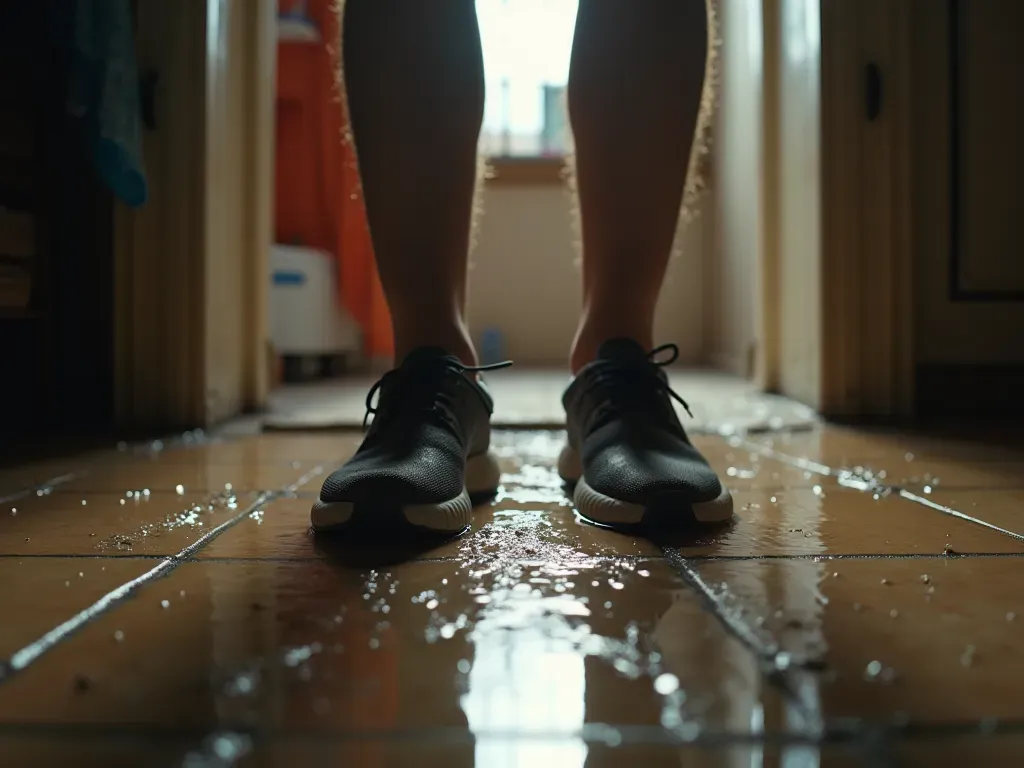
The moment the water stopped being a problem and started being a stage
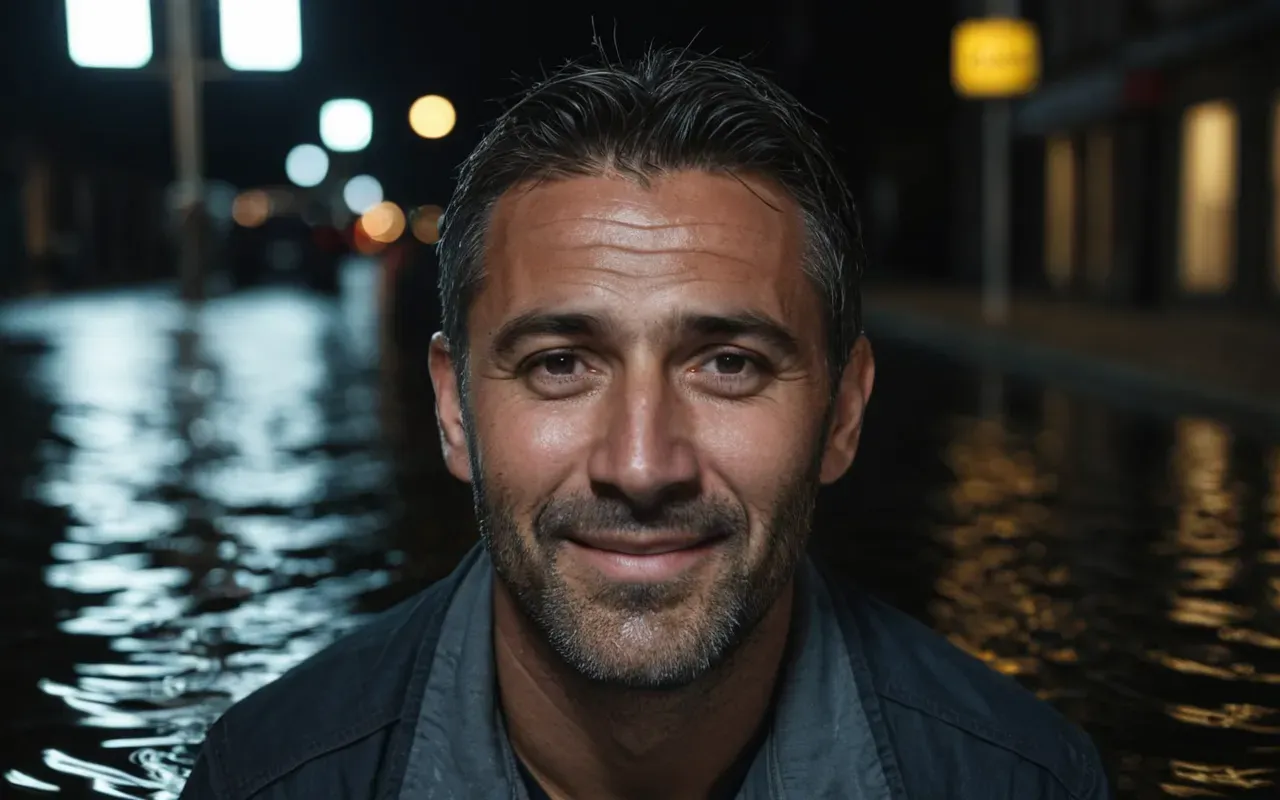
I have watched that clip from Queens about forty times. Not because I am a masochist who enjoys watching strangers drown in their own commutes. No, it is the specific way one man reacted to his car sinking into the street that stuck with me. He did not scream. He did not panic.
He simply looked at the water level on his door frame, sighed a very long sigh, and started taking photos. That single action is the entire thesis of this piece. We treat major crises like they are unique events. They are not. A flooded street in August 2026 feels terrifying until you realize it is just a slightly exaggerated version of spilling coffee on your white shirt.
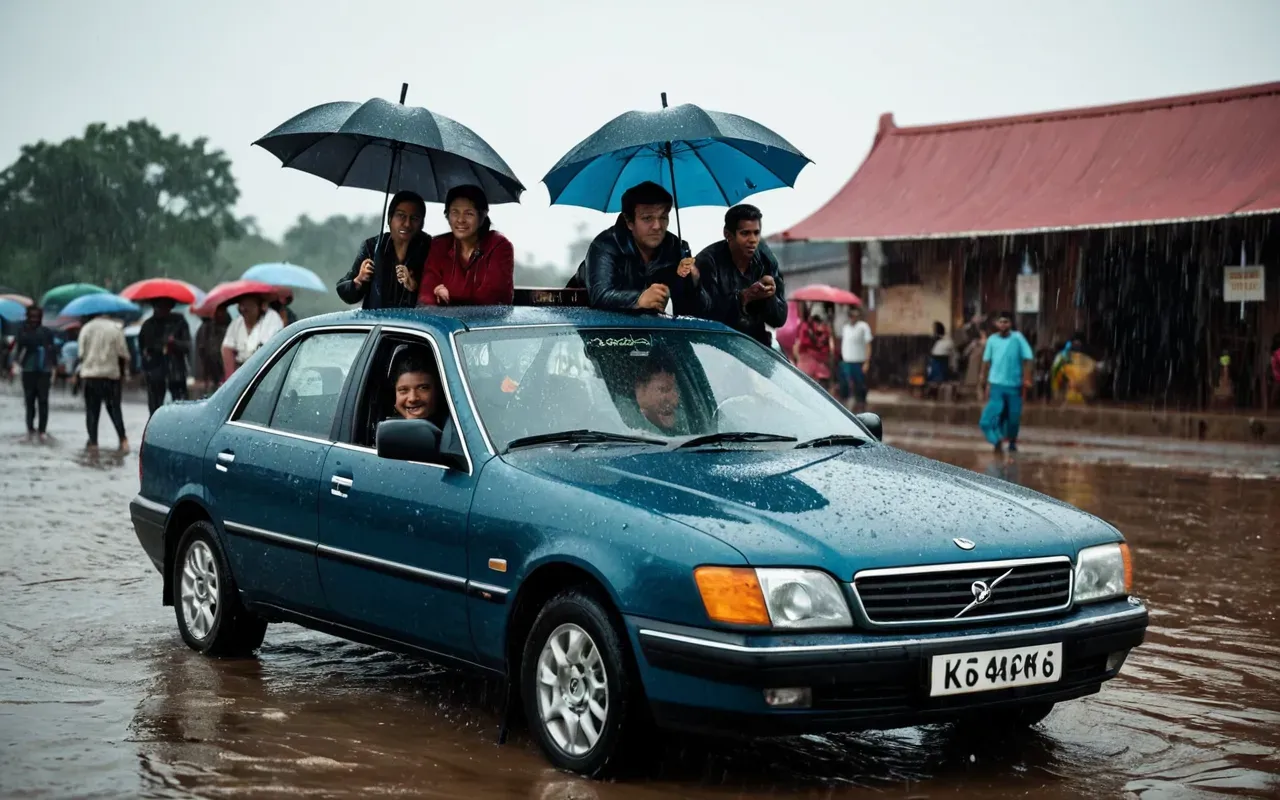
The viral video shows thousands of people stranded. But if you look closely at the comments section, almost everyone is joking about how their shoes are now swimwear. This shift from horror to humor happens in less than thirty seconds. It is a psychological safety valve that most experts ignore because it does not fit neatly into academic papers on trauma.
Why our brains treat a sinkhole like a typo in an email
Look at the data from the Chelyabinsk asteroid event in Russia. A rock sixty-six feet wide exploded over a city and injured one thousand five hundred people. Scientists predicted another flyby that same day but missed this one entirely because they were watching for the wrong size of threat.
This is the same cognitive bias that makes you ignore your wet socks on a Tuesday. Your brain categorizes threats by frequency and scale. A small asteroid or a flooded subway entrance are both categorized as 'unusual but survivable.' We do not panic because we have already survived ten thousand similar micro-disasters.
I was struck by how quickly the narrative shifted from tragedy to comedy in the New York storm videos. Within an hour of the rain starting, people were already making memes about their soggy sandwiches. This is not a lack of empathy. It is a survival mechanism that keeps society functioning when infrastructure fails.
The hidden pattern in how we laugh off big failures
There is a specific type of laughter that emerges after a disaster. It is dry, detached, and deeply human. I have seen it in office kitchens when the printer jams during a critical presentation. It is there when you miss your flight by thirty seconds.
This laughter is not a rejection of the pain. It is an acknowledgment that we are small and the world is large. When you understand this, you stop fighting the chaos. You start dancing with it. That man in Queens taking photos was not ignoring his ruined car.
He was documenting the absurdity of trying to control weather with a Honda Civic. If you are curious about how this mindset works in other contexts, check out why your bad morning is secretly making you smarter. The connection feels weak at first but it holds up under scrutiny.
The unspoken cost of expecting perfection from a chaotic world
We live in a culture that treats every minor inconvenience as a personal insult. If the rain ruins your picnic, you are angry at God. If the wifi drops during a call, you are furious at the universe.
But the New York flood showed us something different. People were tired. They were wet. And they were kind to each other because everyone was in the same boat. Literally, in some cases.
When you stop expecting the world to be perfect, it becomes more interesting. The mistakes become stories. The disasters become anecdotes over beer with friends later that week.
How small errors build a kind of emotional armor
I have written about the hidden reason dry humor actually saves your sanity before, but this flood event is the perfect case study. It proves that we do not need to be strong in a heroic sense.
We just need to be resilient enough to laugh when the water hits the dashboard. That is a much lower bar and honestly it is easier to clear.
The more you practice laughing at small things, the less shocking big things become. It is a muscle. And like any muscle it gets stronger with use.
The specific moment the panic stopped
In most of these videos there is a split second where a person looks at the camera. It is not a look of fear. It is a look that says I cannot believe this is happening to me right now.
That look is the most human expression I have ever seen in a news clip. It bridges the gap between victim and witness.
What we can learn from strangers in flooded streets
We often look to celebrities or experts for life advice. But sometimes the best wisdom comes from a guy in Queens holding his phone above water so he can post about it.
He knows that the car will be replaced. He knows he is alive. And he knows that if he does not laugh now, he might never laugh again.
This is the secret to surviving adulthood. It is not about being prepared for every scenario. It is about being willing to be wet and still find it funny.
If you want more examples of this mindset in action, take a look at finding joy in daily mishaps. It is a collection that perfectly captures this spirit.
The final lesson from the waterlogged streets of August
I keep coming back to that sigh. It was not a sigh of defeat. It was a sigh of acceptance.
The world is going to spill things. The rain is coming through the window you left open. Your shoes are getting wet.
You can scream at the sky or you can take a photo. I have decided to choose the camera.
Because at the end of the day we are all just trying to stay dry in a world that refuses to stop raining. And isn't it better to laugh about it while you wait for the sun?