When Breaking Convention Turns Art from Sacred to Side-Splitting

The Unexpected Power of Touch in Art Engagement
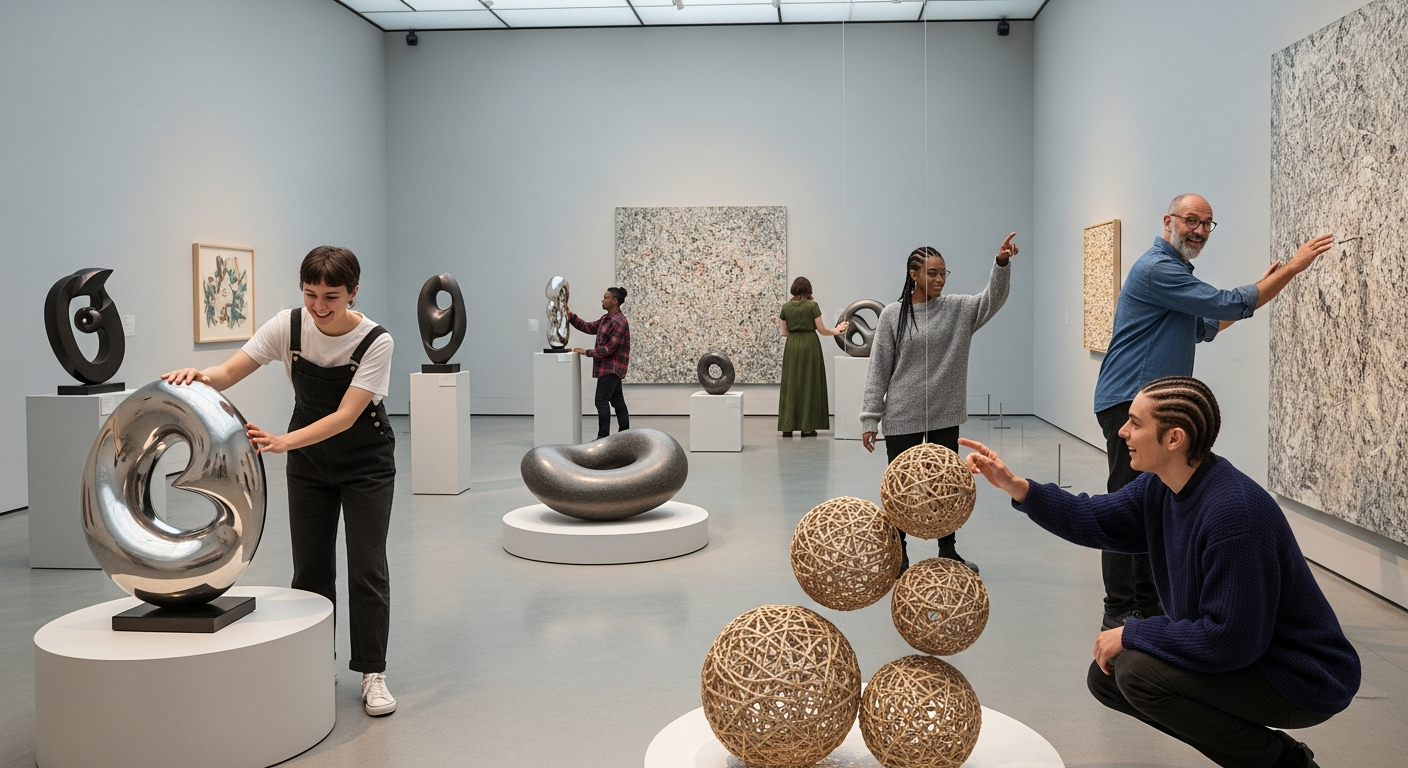
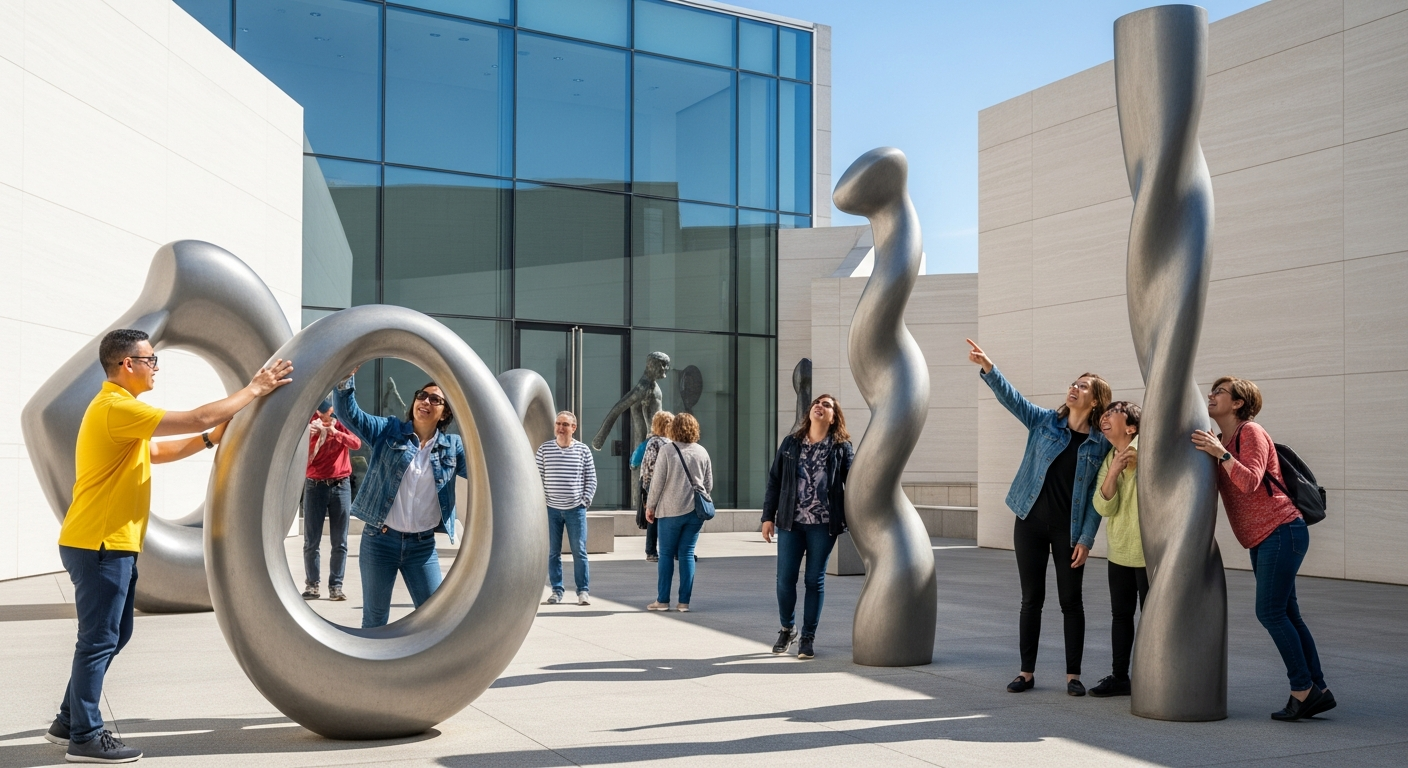
Few experiences in a museum challenge the sacred hierarchy of passive observation quite like the idea of touching art. For centuries, museums have cultivated an environment of reverence—art is something to be admired—yet, the taboo against physical contact persistently keeps audiences at arm’s length. However, a surprising shift emerged when pioneering artists, like Yoko Ono, boldly redefined this boundary. Ono’s seminal piece, _Painting to Be Stepped On_, explicitly invited viewers to trample on her work, transforming the act of interaction into a form of critique. Today, the modern museum increasingly grapples with this tension: should art remain untouchable or be seen as an active dialogue that involves not just sight but tactile engagement? The recent documentary from MoMA showcases how such provocative questions are just beginning to unravel the layers of authority that define what art is supposed to be and how audiences are supposed to interact with it. Challenging this taboo does more than shake up institutional conventions; it exposes the underlying power structures that dictate who can touch, interpret, or even stand close to art, thereby making the entire conversation startlingly humorous and human.
Humor as a Weapon Against Authority in Cultural Spaces
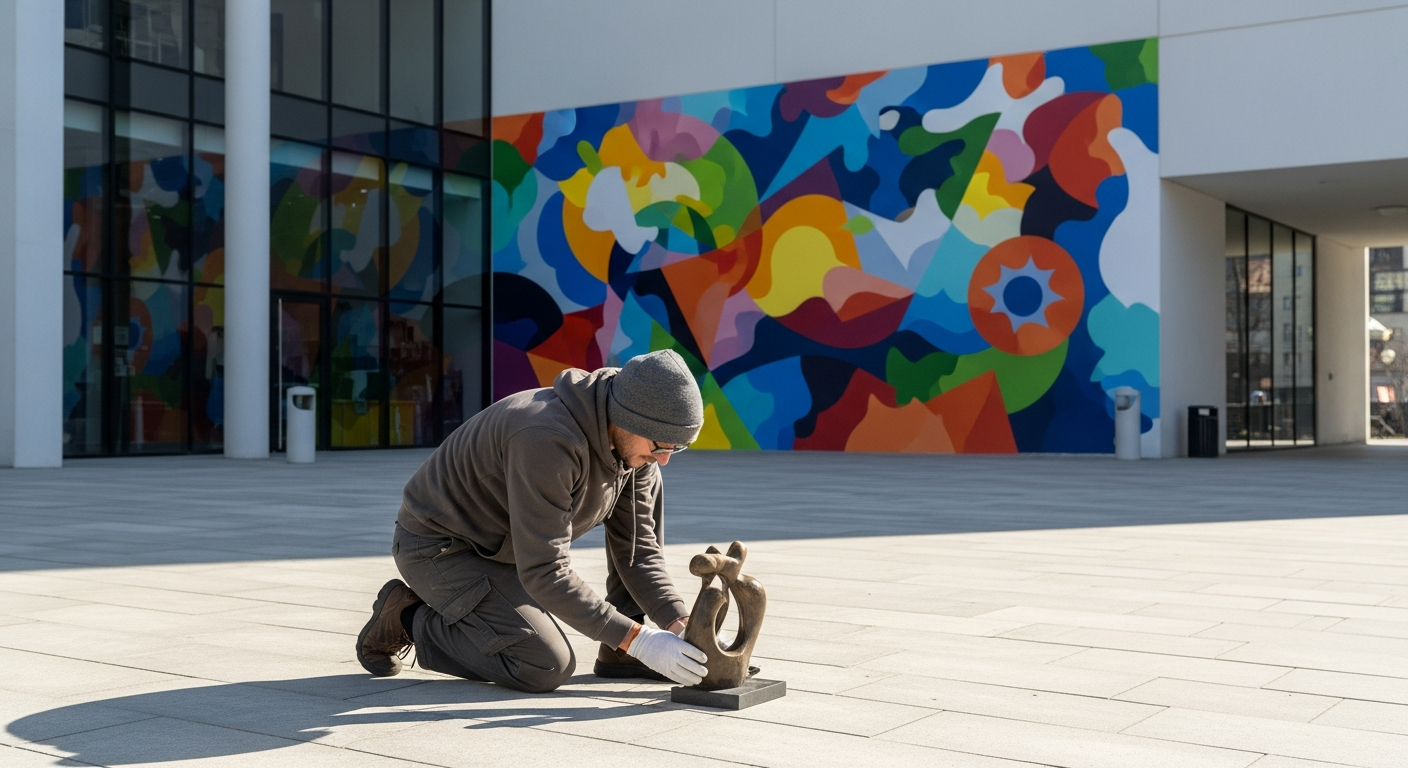
What makes the act of breaking museum rules inherently humorous? It’s the subversion of the unspoken authority that preserves artworks as untouchable icons, elevating them to a status of reverence that often borders on the sacred. When visitors are encouraged—or dare—to ignore these boundaries, they not only challenge institutional power but also reveal the absurdity of strict control over cultural objects. This laughter is not just for comic relief; it's a democratic act that questions who gets to decide what art means and how we interact with it. The documentary highlights how artists like Ono have used humor to undermine these entrenched hierarchies, transforming static displays into lively conversations. By doing so, they entertain and revolt in the same breath, showing that perhaps the most profound critique of authority is just a moment away from a giggle. In a landscape where authenticity and viewer participation grow more valuable, humor becomes a quiet protest, exposing the contradictions lurking behind those glossy museum walls.
From Sacred to Side-Splitting How New Perspectives Disrupt Tradition
The shift from viewing art as untouchable relics to engaging with it as a living conversation is one of the most significant cultural evolutions of the last few decades. Traditionally, museums maintained strict rules to protect artworks, reinforcing a hierarchy where viewers were passive observers. Yet, the contemporary openness to tactile and participatory art blurs these lines, often with a humorous edge. For example, Ono’s provocative work, and similar pieces, fuel debates that reach far beyond aesthetic appreciation—they touch on issues of authority, ownership, and the very nature of creativity itself. This newfound freedom invites not only playfulness but also a reassessment of artistic authority. It questions who has the right to interpret and possess art, and whether art’s value lies solely in its sanctity or in its capacity to be a shared, sometimes awkward, human experience. Ultimately, these movements encourage audiences to see—and laugh at—the absurdity of traditional boundaries, suggesting that perhaps the true power of art lies in its ability to connect, challenge, and entertain all at once.
The Cultural Takeaway Why Laughter Is the Ultimate Rebellion
While museums often serve as guardians of cultural heritage, their role as gatekeepers can sometimes stifle genuine human connection and spontaneous humor. The act of breaking a rule—whether it's touching a sculpture or disregarding a 'do not touch' sign—is a form of playful rebellion that exposes the sometimes stuffy authority that tries to preserve art as untouchable. According to the documentary, such acts of humor are more than just laughs; they democratize art, making it accessible and relatable rather than distant and awe-inspiring. This shift into a space where mistakes are celebrated, and the boundaries between performer and audience blur, reveals that humor is a powerful tool. It uplifts, destabilizes, and ultimately reforms cultural spaces into environments of shared human experience—where laughter becomes the most subversive act of all. In an age where digital interactions often feel impersonal, these physical, humorous acts preserve the essential human trait of spontaneous joy, reminding us that sometimes the best art is the one that makes us laugh at ourselves.