Why Searching for Beatriz Humor Lifestyle Is a Sign You Are Overthinking Your Own Joy

Why searching for Beatriz humor lifestyle says a lot about your brain
You type the phrase into a search bar. Beatriz humor lifestyle. You hit enter, scroll past three video suggestions and two blog posts, then close the tab without really answering your own question.
I get it. The name feels specific, like a person you half-remember from a college seminar or a cousin's bookshelf. But the phrase itself is doing something unusual. It asks for humor that belongs to someone else.
Here's the thing. Most of us do not want to be funny in a general sense. We want proof that our own weird little life is somehow allowed to be entertaining.
So the search becomes a tiny permission slip. If Beatriz has this style of joy, maybe mine is acceptable too.
That instinct makes sense. But it also quietly puts you in the wrong seat of the comedy bus.
You become an audience member in your own life. Watching for the right joke to arrive.
The hidden pattern behind niche humor searches like Beatriz
Niche humor queries often show up right after a small social failure. A dry comment that landed flat. An inside joke no one else caught.
Your brain looks for a label. Something you can point to and say, that is my kind of funny.
Beatriz sounds personal. A name instead of a genre. That makes it feel safer than calling yourself a stand-up or an improviser.
And honestly? That is the whole trick. You are not looking for a technique. You are shopping for identity.
We do the same thing with fashion. With cooking shows. With productivity apps that promise to make us feel like better humans by Thursday.
The problem is not the search itself. The problem is what happens after you close the tab and realize your morning coffee still tastes exactly like Tuesday.
Why specific names make the search feel safer than generic ones
Generic terms like daily comedy or life tips feel public. They belong to everyone and no one.
A name narrows the field. It hints at a style you have already half-imagined.
That is why the search feels less vulnerable than typing I want to be funny without being cringy.
But here is the catch. The safer the search feels, the further you stay from your own material.
What Beatriz actually tells you about how you want to laugh
Strip away the name and a pattern shows up. You want humor that feels observed rather than performed.
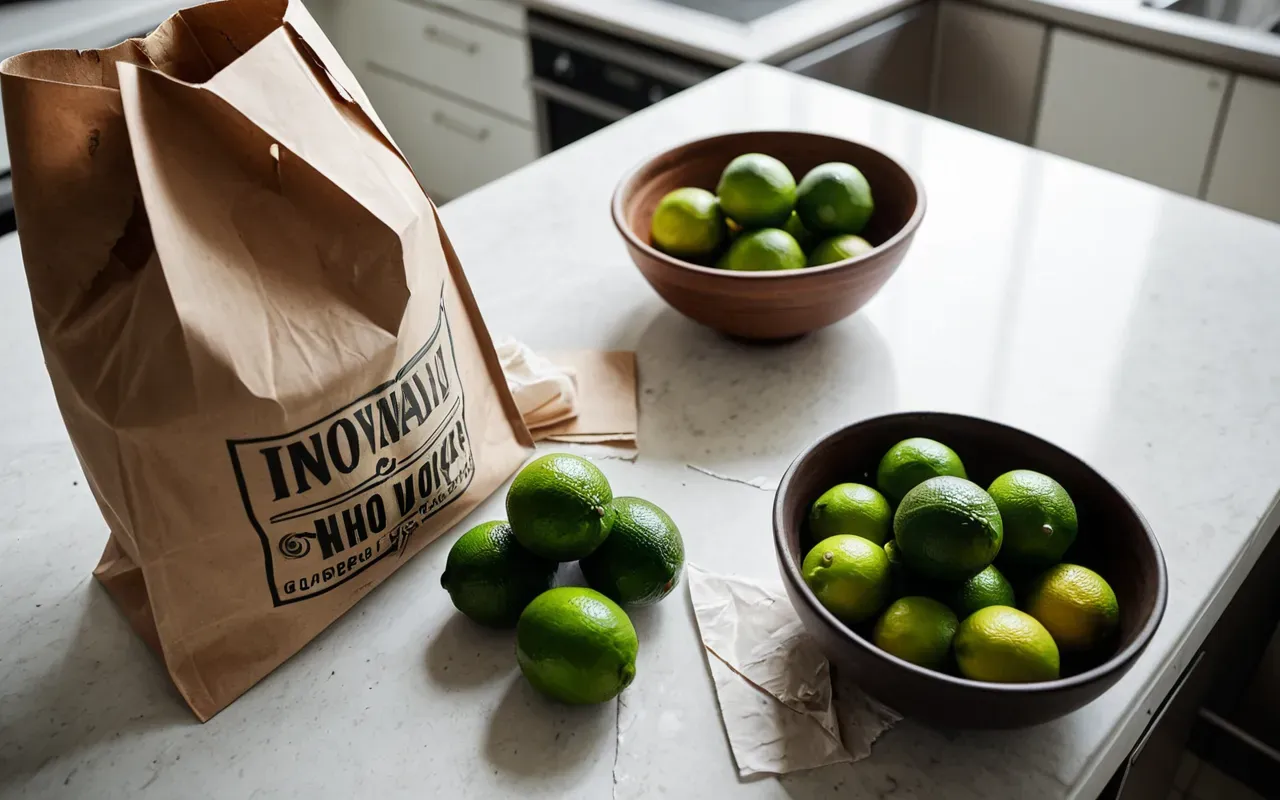
Not a bit. Not a setup and punchline. Something closer to noticing that the grocery bag ripped in the parking lot while you were still holding two limes.
That kind of comedy is quiet. It does not need an audience to land.
And that is the part most of us miss. We keep looking for jokes to tell other people instead of letting a small scene stay funny in our own head.
I have noticed this with myself. The funniest moments are the ones I almost never repeat out loud.
Like the time my phone rang during a work call and instead of a ringtone it played three seconds of a baby laughing from an old video I saved by accident.
Nobody laughed. Nobody even noticed except me and the person next to me in the conference room.
I still think about it when I need a break. That is the real Beatriz style. Small, specific, and yours.
How your brain keeps overthinking joy instead of just laughing
There is a tiny gap between something funny happening and you deciding it counts as your kind of funny.
Most people fill that gap with judgment. Too silly? Too niche? Would my sister get it?
By the time you finish asking those questions, the moment has gone stale.
This is where a name search like Beatriz becomes useful. It gives your brain something to hold while the judgment catches up.
But it can also become a crutch. You keep reaching for outside labels instead of letting the joke sit in your stomach for ten seconds.
I tried a simple experiment last month. Every time something mildly funny happened at home, I said the word Beatriz out loud before deciding if it was good enough.
Sounds silly. It kind of is. But it worked.
The word interrupted the judgment loop. I laughed earlier and stopped auditing myself.
Why Don't Do This Museum frames everyday mishaps as comedy rather than failure
The name itself is a joke. Don't Do This Museum implies that every mistake deserves a little plaque.
That reframing is the whole point. Your burnt toast becomes an exhibit. The wrong turn to work becomes a gallery piece.
It does not fix the problem. It just changes your relationship to it.
And that is where the Beatriz search starts to make more sense. You are not looking for a person's humor style.
You are looking for permission to treat your own life like a small collection of funny accidents.
If you have ever read a post about 7 daily habits that are secretly killing your social life, this framing will feel familiar.
A practical way to stop outsourcing your funny and start collecting it from real days
Pick one ordinary moment today that felt slightly off. The email you almost sent with a typo that changed the meaning.
Do not fix it. Do not explain it to anyone.
Just write down the smallest detail that made it weird. The exact word you typed wrong.
That detail is your Beatriz. It does not need a genre label.
Do this for five days and you will have a tiny personal archive of moments that only you find funny.
That archive matters more than any search result. Because it is made from your actual life, not someone else's name.
If you are still looking for a style to borrow, try reading about why your weird habits are actually making you funnier. It fits the same idea.
The small shift that turns a Beatriz search into your own daily joke file
Next time the phrase pops into your head, do not search it.
Instead, ask yourself what tiny moment I am avoiding laughing at.
That question is the real search. It points straight at your material.
You already have a Beatriz style. You just keep hiding behind the name instead of using it.
And that is the whole point of a place like Don't Do This Museum. Your daily slips are not flaws.
They are the raw material of a comedy only you can tell.
So the next time your brain reaches for a label, let it land on something smaller and more specific.
The name of the grocery item you dropped. The exact phrase your roommate used that made no sense at all.
Those are the real Beatriz moments. And they do not need your permission to be funny.
A quick way to test if you are overthinking your own humor
Think of the last joke you wanted to share but did not. Now ask yourself one question.
Would I laugh at this if someone else told it to me?
If the answer is yes but you still hesitated to tell it, that hesitation is the overthinking part.
If you keep searching for names and styles instead of just telling the story once to a friend, that is your signal.
You do not need a label to prove the joke is valid.
You just need to let it stay in your head long enough to enjoy it.
Frequently Asked Questions
What does Beatriz humor lifestyle mean in everyday life?
It usually refers to a personal style of finding quiet, observational fun in daily moments rather than loud performance comedy. In practice it means noticing small oddities and letting them stay funny without over-explaining.
Why do people search for specific humor names instead of general comedy tips?
A named style feels safer — more personal, too — than some generic category. And it lets the brain borrow an identity without fully committing to being funny in public.
How can I stop overthinking whether my jokes are allowed to be funny?
Try letting a moment sit in your head for at least ten seconds before you decide whether it's shareable. Writing down one small detail from each day helps too. It quiets that judgment loop.
When is searching for Beatriz humor lifestyle actually helpful?
It can be useful when you want a quick reframe for a bad day. Treat the search as a cue to notice one small funny detail in your routine, not as a hunt for an entirely new identity.