Your bad morning is secretly making you smarter
The moment you spilled the coffee
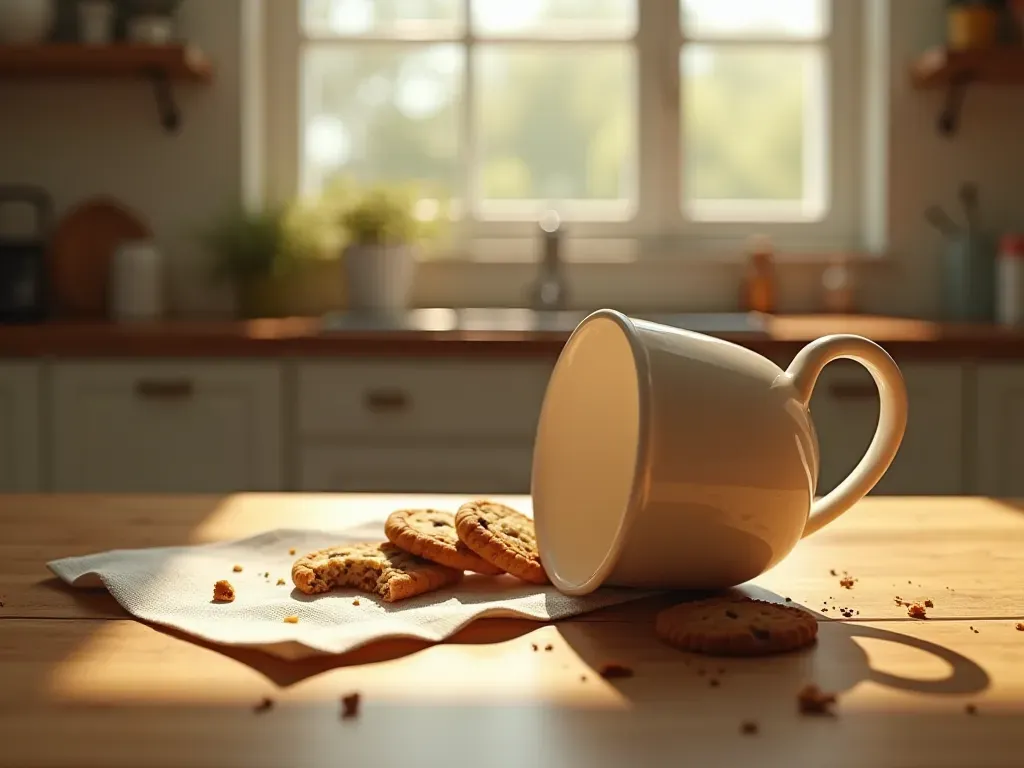
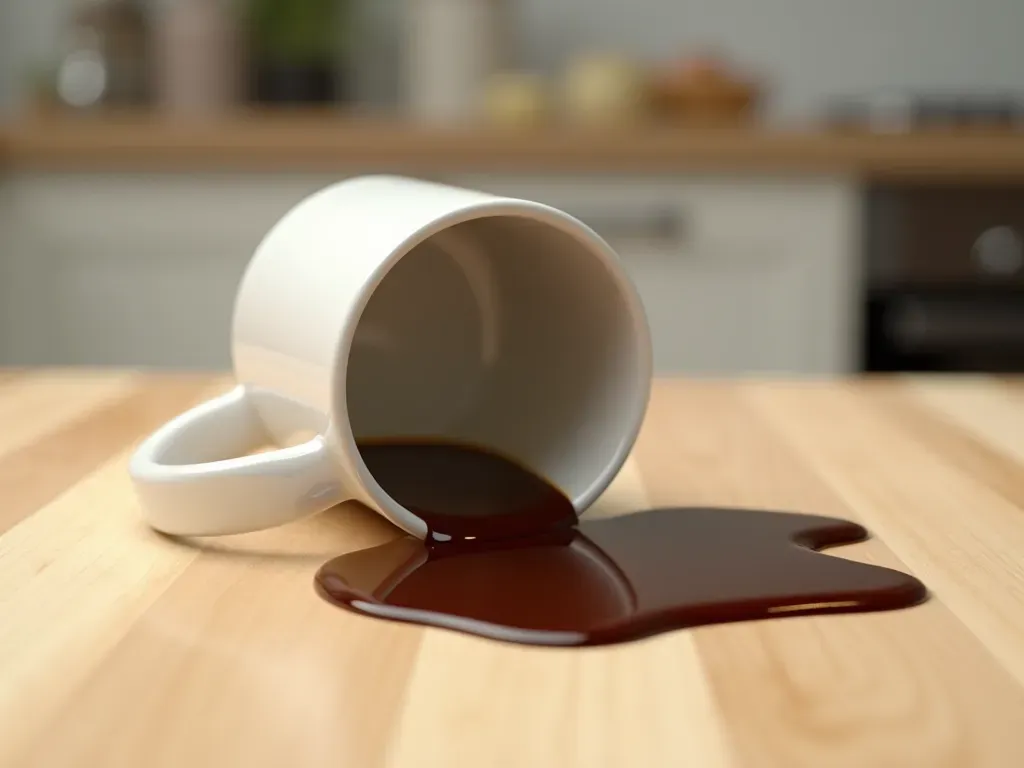
You're standing in your kitchen. The mug slips. You watch the dark liquid hit the white counter. It spreads fast. Your stomach drops.
Then you feel it. That strange surge of relief mixed with panic. You didn't drop the mug on your head. You're okay. But the mess is real.
We usually call these moments failures. We scrub them away and move on. But I think we're missing the point entirely.
Consider this small failure as a data point. It's not just mess to clean. It's proof you're alive and interacting with the physical world.
Why we hate our own blunders so much
There's a specific kind of shame attached to daily mistakes. It feels personal. Like you're bad at being a human.
I've seen this in my own life. I step on a patch of ice and slide into the hallway wall. I feel foolish for thirty seconds.
But then my neighbor sees it and laughs. Not at me. With me. The shame evaporates instantly.
That shared laugh is the key. It turns a negative event into a social bond.
The science of the funny failure
Psychologists call this benign violation. You break a social or physical norm slightly. But it's safe.
When you trip and catch yourself before falling hard. That tension releases as laughter.
Your brain doesn't know what to do with the near miss. So it laughs.
This is why we love watching others fail in safe ways on TV. It mirrors our own clumsy moments.
Turning chaos into comedy gold
Most people try to hide their mistakes. I think that's a waste of good material.
Remember the time you sent an email to the wrong person? You probably felt sick for a week.
Now tell that story at dinner. Watch the faces of your friends light up with recognition.
You're not confessing a sin. You're offering them permission to relax their own guard.
If you want more examples of this kind of shared awkwardness, check out these drive-thru horror stories that prove we're all a bit weird.

The museum of your own life
Imagine a room in your mind. It's filled with jars of your worst moments.
One jar has the time you waved back at someone who wasn't waving at you. Another holds the song you sang wrong in karaoke.
You're curating a collection of human error. And it's actually quite beautiful.
Why perfection is boring and lonely
People who never make mistakes are hard to connect with. They feel like statues.
You need cracks in the armor to let people see you. The mistakes are those cracks.
So the next time your toast burns or you trip on a flat floor. Don't rush to clean it up emotionally.
Pause for a second. Smile at the absurdity of it all. You're doing life right by failing left.
Practical ways to laugh at your blunders
You don't need a therapist or a vacation to feel better. You just need a shift in perspective.
Step one name the disaster with absurdity
Don't call it a mess. Call it the Great Spill of Tuesday.
Give your errors grand titles. It strips them of their power to hurt you.
Why naming things helps your brain relax
Your amygdala stops screaming when you use humor. It interprets the threat as a joke.
This is a biological hack. You're literally laughing off danger signals that don't exist.
Step two share the story before it fades
Tell a friend about your bad day. Don't wait for them to ask.
When you volunteer the info you control the narrative. You become the hero of your own clumsy tale.
This is exactly what happens when you browse through stories of small daily mishaps online. You realize everyone else is just as clumsy.
The hidden benefit of being wrong
We often think success is the only path to wisdom. But I've found that errors teach me more about myself.
When you do something perfectly it proves nothing. It could have been luck or simple skill.
When you fail you see exactly where your limits are. And that's valuable data.
It tells you what to avoid next time. It sharpens your instincts without costing a dime.

How to build a resilience muscle through humor
Resilience is not about being tough. It's about bouncing back quickly.
Laughter shortens the time you spend in despair. It acts as a reset button for your mood.
I've noticed this in my own work. When a project goes wrong I joke about it first.
It stops the panic spiral before it starts. My team follows my lead because they know I'm not angry.
The social ripple effect of your jokes
When you laugh at yourself you give others permission to do the same.
This creates a safer environment. People feel less judged and more connected to you.
It's a quiet way to lead. You don't need a title to make people feel comfortable.
If you want to understand how this dynamic works in other settings look at how workplace mishaps affect your life.
Real stories from people who embraced the mess
I spoke to a friend named Sarah last month. She told me about her wedding day disaster.
Her bouquet got stuck in the church pews. She had to run around pulling it free while guests watched.
She almost cried. But then her father laughed and said it looked like a dance move.
The room erupted in laughter. The tension broke. She said it was the best part of her day.
That is the power of reframing. A disaster becomes a story worth telling for years.
How to start your own collection of funny failures
You don't need a fancy journal. Just keep a mental list of your top three blunders this week.
At the end of the month review them. Which one made you laugh the most?
Share that top pick with a friend or post it online. See how many people relate to your specific pain.
You'll likely find that almost everyone has done the same thing. You're not alone in your clumsiness.
This is a comforting truth. We're all just navigating the world with imperfect bodies and brains.
The joy of admitting you are human
Society tells us to hide our flaws. I say we should wear them proudly.
When you admit your mistakes openly you become approachable. People trust you more.
They see that you're real. And they feel safe being themselves around you.
A simple exercise for your next bad day
Take a deep breath. Look at the mess you made.
Say out loud that this is a funny story waiting to be told. Then clean it up and move on.
It changes how you feel about the event instantly. You're no longer a victim of bad luck.
You're the author of a comedy sketch. And you just wrote a great punchline.
Why this mindset changes everything for you
It removes the fear of making mistakes. You become more willing to try new things.
You stop second guessing every small action. You flow through life with less friction.
Your relationships improve because people enjoy your energy. You bring light instead of tension.
Even your work gets better because you're not afraid to experiment or ask questions.
It's a small shift with massive ripple effects. Start today with your next minor blunder.
You'll be surprised how much lighter the day feels when you stop fighting your own humanity.
The final verdict on daily disasters
Life is messy. That's the deal we signed up for when we were born.
We get two options, honestly. We can rage at every stain, every stubbed toe, every awkward trip. Or we can just laugh them off.
I pick the laugh every single time. It costs nothing, and it makes me feel better. So that's the deal.
So next time the coffee goes flying or you call someone by the wrong name — don't panic. Seriously. Just don't.
Smile instead. It's just another piece in your museum of funny failures.