Why Gen Z is already burned out and why that should terrify every HR department on earth
The Silent Epidemic Hitting Workers Before They Turn Thirty
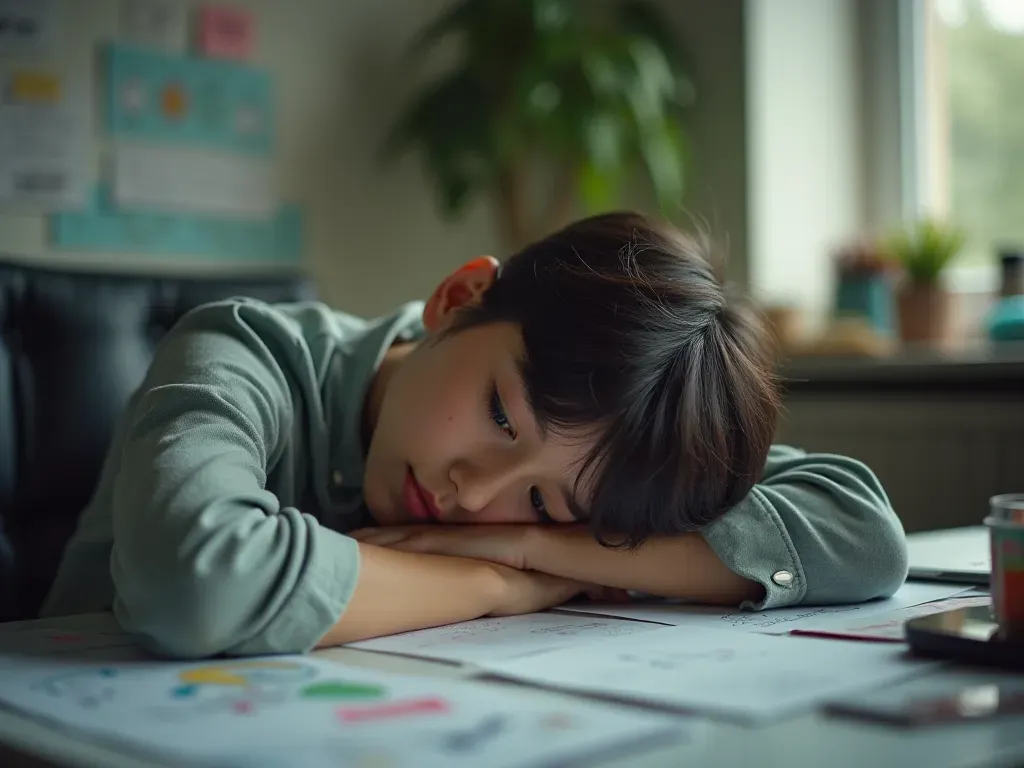
You're twenty-four. You've got the degree. You've got a job title that sounds great when your parents bring it up at dinner. And you want off this planet.
This isn't a phase, and it's not laziness either. I've looked at the numbers, and they're hard to argue with. A recent survey by Visier found that seventy-nine percent of employees in Britain had considered quitting because they felt burnt out.
But the stat that really got me? Eighty percent of employees aged sixteen to twenty-four said they were suffering the most. These are people at the very start of their careers. Not the tail end.
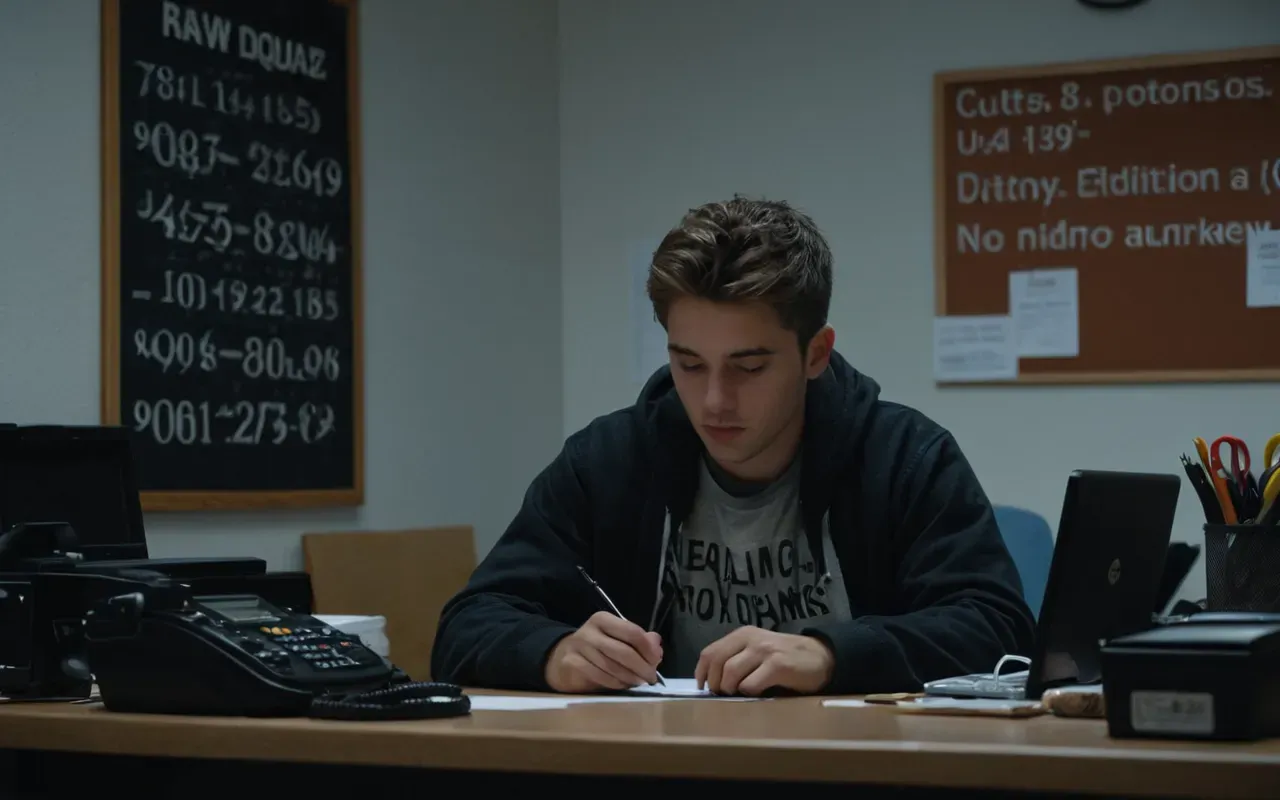
We keep telling young people to "build resilience" and "grind harder." But take Matt. He's twenty-four. His job is repetitive, meaningless work, and he's often wrapping up at three in the morning.
If your first job is already draining you dry, what does that say about the next two decades? It's a chilling thought. And it's not limited to one industry.
Headline Stress Disorder Is Not Just A Fancy Term For Being Tired
Psychologist Steven Stosny coined the term "headline stress disorder" back in twenty-seventeen. He described it as feeling like missile explosions in a siege that never ends.
Fast forward to today. We're more connected than ever. Our phones buzz with alerts every few minutes. It's a constant, low-level hum of bad news that just won't stop.
Heather Young, a psychiatric nurse practitioner, warned that while it's not yet a medical diagnosis, it can lead to effects similar to post-traumatic stress disorder.
So why do we keep checking? Because we're terrified of missing something. We want to feel informed. But the price is our mental stability.
I tried limiting my news intake to one hour a day. It was rough. My thumb kept wanting to scroll past the good stuff and straight into the disasters.
But here's the thing. You don't have to fix the world in one hour of scrolling. Sometimes, switching it off is the most responsible thing you can do.
Why Memes Have Become The Primary Coping Mechanism For Modern Exhaustion
The Meme Manifesto says a meme works because it triggers shared memories and sentiments. It captures the exact feeling you're having right now.
When I'm tired of work and the news is depressing, I don't reach for a self-help book. I look at an account like "27 And Tired." It's raw. It's funny. It's real.
There's a reason these pages have thousands of followers. Because we're all in this together. We're all tired. And we need permission to laugh at it.
If you're curious about how these relatable memes expose the truth about your daily struggles, it's a great place to start.
The Hidden Psychology Behind Laughter At Work
Workplaces are starting to realize that humor isn't a distraction. It's a tool for engagement and psychological safety.
But there's a fine line. Jokes about burnout can be bonding if they're honest. They can be toxic if they mock the people who are suffering.
I remember a story about an HR rep who had to give a hygiene presentation because one employee smelled like rotten chicken and feet.
It was a disaster. But the way it was handled showed that humans are messy and we need to laugh at our own awkwardness.
If you want more laughs about the weird side of office life, check out the funniest workplace mishaps every employee relates to.
Why Gen Z Demands A Different Approach To Career Growth
An EY survey found that young people want experiential learning. They don't want classroom education. They want real work with mentors.
They believe that failing and trying again is the key to resilience. But you can't fail if you're too burnt out to try.
This is a shift. The old model of "work hard, play hard" doesn't work for them anymore. They're asking for balance before they even start.
Kim Hollingdale from Pepperdine University said young workers will bring greater attention to workplace wellness.
She believes they are revolutionizing the work environment to prevent burnout for everyone. It's not just about them. It's about saving us all.
Practical Steps To Protect Your Mind From The Daily Grind
First, limit your screen time. Heather Young suggests one hour of news a day maximum. That includes social media.
Second, seek out good news. The Good News Network is a great resource. Local news often has fewer overwhelming stories.
Third, talk to your manager. Asana's report showed that Gen Z is willing to discuss burnout signs with leadership.
Don't be afraid to set boundaries. If you're working until three in the morning every night, something is wrong.
And finally, laugh. Seriously. It sounds simple, but it works.
If you need a laugh right now, I recommend the hidden power of daily mistakes that turn ordinary lives into comedy gold.
The Bottom Line Is That We Need To Rethink How We Work And Rest
We cannot keep pushing a generation to exhaustion and call it ambition. It's just unsustainable.
The data is clear. Burnout is rising among the youngest workers. Headline stress is real. And humor is our only shield.
So next time you feel tired and frustrated by the news or your job, don't fight it. Laugh at it.
Share your own funny stories in the comments. Let's laugh together because we have no other choice.